
Health and wellness
What is Alkaline Water and What Are Its Benefits?
Updated: Nov 4, 2025 |
Published: Sep 10, 2019

Authored by
Samantha Finley
Samantha Finley is a New York–based Senior Content Writer at Brafton Inc., where she develops engaging, research-driven content across heathcare, education, technology, and other industries.
Key Takeaways
Alkaline water has a higher pH than regular drinking water and often contains added minerals that may support hydration, bone health, and acid reflux relief.
Offering a higher pH and mineral-enhanced hydration, alkaline water provides a refreshing alternative to regular drinking water that may support overall wellness and workplace satisfaction.
- Higher pH profile: Alkaline water typically measures around pH 8 or 9, making it less acidic than standard drinking water and closer to the body’s natural balance.
- Mineral rich composition: It often contains beneficial minerals like calcium, magnesium, sodium, and potassium, which support functions like bone health, energy production, and hydration.
- Backed by emerging research: Studies suggest potential benefits such as improved hydration, reduced acid reflux symptoms, and support for healthier blood pressure, cholesterol, and blood sugar levels, though more long-term research is still needed.
- Safe and workplace friendly: Alkaline water is generally safe for daily consumption in moderation, and it can be offered sustainably through bottleless filtration systems that reduce reliance on plastic bottles and deliveries.
Summary: Alkaline water has a higher pH than regular drinking water and often contains added minerals that may support hydration, bone health, and acid reflux relief.
It’s no secret that drinking the recommended eight glasses of water a day is good for your health. As studies suggest, staying hydrated can improve your productivity, mood, memory, energy level and clarity. But what if we told you that there’s something you provide your employees and customers that will not only hydrate you faster and longer than regular drinking water, but also improve your blood, bone and organ health? It’s all possible with alkaline water.
Chances are you’ve probably heard the term alkaline water used by bottled water companies like SmartWater®, Essentia® and Flow®, and you may have even bought yourself a bottle because of the health benefits associated with the buzzword. But do you know what alkaline water is and what the benefits are from drinking it? Your Culligan Quench water experts are here to explain.
What is alkaline water?
To put it simply, alkaline water is water that has a higher potential for hydrogen (pH) than regular drinking water. The pH level is measured by the number of hydrogen ions that exist in a given solution. According to the United States Geological Survey, high concentrations of hydrogen ions yield a low pH (acidic substances), whereas low levels of hydrogen ions result in a high pH (basic substances).
The pH scale ranges from 0 to 14. Anything below 7 (ranging from 0 to 6.9) is acidic, and anything above 7 (ranging from 7.1 to 14) is basic. The blood in your veins is slightly basic (pH = 7.4), whereas soap (pH = 12) and bleach (pH = 13) are highly basic. On the other hand, coffee is slightly acidic (pH = 5) and tomato juice (pH = 4) and lemon juice (pH = 2) are highly acidic.
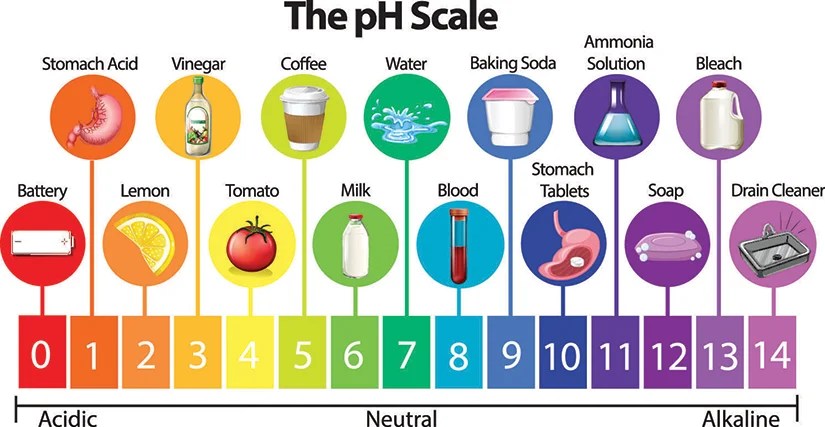
The term “alkaline” gets used interchangeably with “basic” but they’re not exactly the same. Alkaline compounds (alkali) are substances, like salts, metals and minerals that, when added to water, make it more basic. Water always contains some amount of dissolved solids including minerals like calcium, magnesium, potassium and sodium, but alkaline water tends to have a higher amount of total dissolved solids, which increases its pH level. Regular drinking water is typically neutral with a pH level of 7 and alkaline water is slightly basic with a pH level of about 8 or 9.
Is alkaline water good for you?
So, is alkaline water healthy? And is it better for you than regular water? Well, that depends. Because alkaline water boasts a pH level higher than regular tap water, some studies suggest it may offer advantages like improved hydration, better acid-base balance and potentially increased longevity. Plus, advocates claim it can counteract acidity in the bloodstream while aiding in disease prevention. However, it’s widely agreed that more extensive investigations are necessary to determine alkaline waters’ sustained benefits over time.
What are the benefits of alkaline water?
The idea that alkaline water is medicinal, curative and able to bring about optimal health seems to be based on the belief that acidic properties in the body and blood are the cause of ill health and disease and need to be neutralized. Therefore, a more alkaline body will lead to better health.
Alkaline water contains four major minerals that contribute to its remarkable health benefits:
- Calcium: Important for bone health as well as heart, muscle, and nerve function.
- Magnesium: Helps turn food into energy and is necessary for over 300 biochemical reactions in the body.
- Sodium: Regulates blood pressure and volume and supports nerve and muscle function.
- Potassium: A type of electrolyte that’s essential for muscle function and promotes healthy digestion.
There are many claims when it comes to the benefits of drinking alkaline water, including immune system support, weight loss and cancer resistance. Although these claims are notable, they lack proven scientific research. However, there are several incredible health benefits to drinking alkaline water that have been scientifically proven and we’re here to share them with you as you consider what’s right for your office or facility.
1. Improve bone health
Alkaline water can help improve bone health by preventing what’s called bone resorption – the process of bones being broken down by the body. According to Health.com, alkaline water can help increase bone mineral density, especially in postmenopausal people with osteoporosis, a condition that weakens bones and causes them to fracture easily.
2. Soothe acid reflux
According to the Cleveland Clinic, acid reflux is a painful sensation that happens when acid from inside your stomach flows backward into your esophagus and throat. Annals of Otology, Rhinology & Laryngology reports that drinking alkaline water at pH 8.8 can help soothe acid reflux. This is because the higher pH level kills pepsin, an enzyme involved in breaking down food proteins and a main cause of acid reflux. Prolonged acid reflux can lead to damage and the development of gastroesophageal reflux disease (GERD).
3. Reduce high blood pressure, blood sugar and cholesterol
High blood pressure, also known as hypertension, is a common condition that the Mayo Clinic describes as “the force of the blood pushing against the artery walls is consistently too high. The heart has to work harder to pump blood.” It can increase the risk of heart attack, stroke and other health problems.
According to a study in the Journal of the International Society of Sports Nutrition, scientists in Shanghai found that three to six months after drinking alkaline water, people with not only high blood pressure (hypertension) but also high blood sugar (diabetes) and high blood lipids (cholesterol) had lower measures in each of these factors. Researchers also found that a high-pH electrolyte water reduced blood viscosity, which may help reduce cardiovascular strain due to dehydration.
According to a study in the Journal of the International Society of Sports Nutrition, scientists in Shanghai found that three to six months after drinking alkaline water, people with not only high blood pressure (hypertension) but also high blood sugar (diabetes) and high blood lipids (cholesterol) had lower measures in each of these factors. Researchers also found that a high-pH electrolyte water reduced blood viscosity, which may help reduce cardiovascular strain due to dehydration.
3 to 6 months after drinking alkaline water, blood pressure levels improved.
4. Enhance hydration
We all know that hydration is an important part of staying healthy. A Biology of Sport study suggests that drinking alkaline water has positive effects on hydration after anaerobic exercise, reducing urine gravity (also known as urine density). It also improves urine pH during exercise and enhances lactate utilization after high-intensity intervals. This leads to greater energy levels since lactate serves as a fuel source for muscles.
Individuals who consumed regular drinking water, on the other hand, showed no changes over the same period. These results indicate that the habitual consumption of alkaline water may be a valuable nutritional vector influencing acid-base balance, hydration status and energy levels in active, healthy adults.
5. Increase longevity
Longevity, according to Harvard Health, refers to a long lifespan with a high quality of life. And while genetics some play a role in determining our lifespan (about 25%), another key factor is how we take care of our bodies, including staying well hydrated.
A study looking at the impact of alkaline water consumption on 150 mice over three years found signs of enhanced longevity. In other words, the mice drinking alkaline water aged less and had a higher likelihood of longer life spans. Historical analysis also reveals that the organs of mice drinking alkaline water closely resembled those of control mice, which suggests potential benefits for humans.
6. Offer antioxidant properties
Antioxidants are molecules that help fight “free radicals,” which are compounds in your body that can be harmful to your health if they reach high levels. These free radicals can lead to potential health problems like diabetes, heart disease and cancer. That’s why you’ve likely heard of a range of foods and products that include antioxidants.
Research reveals that alkaline water activates potent antioxidant enzymes like Superoxide Dismutase (SOD). This enables them to directly combat the production and buildup of free radicals throughout the body’s tissues. Because of these potential antioxidant properties, consuming alkaline water may aid in protecting cells from damage and reducing oxidative stress.
What are the benefits of alkaline water?
The idea that alkaline water is medicinal, curative and able to bring about optimal health seems to be based on the belief that acidic properties in the body and blood are the cause of ill health and disease and need to be neutralized. Therefore, a more alkaline body will lead to better health.
Alkaline water contains four major minerals that contribute to its remarkable health benefits:
- Calcium: Important for bone health as well as heart, muscle, and nerve function.
- Magnesium: Helps turn food into energy and is necessary for over 300 biochemical reactions in the body.
- Sodium: Regulates blood pressure and volume and supports nerve and muscle function.
- Potassium: A type of electrolyte that’s essential for muscle function and promotes healthy digestion.
There are many claims when it comes to the benefits of drinking alkaline water, including immune system support, weight loss and cancer resistance. Although these claims are notable, they lack proven scientific research. However, there are several incredible health benefits to drinking alkaline water that have been scientifically proven and we’re here to share them with you as you consider what’s right for your office or facility.
1. Improve bone health
Alkaline water can help improve bone health by preventing what’s called bone resorption – the process of bones being broken down by the body. According to Health.com, alkaline water can help increase bone mineral density, especially in postmenopausal people with osteoporosis, a condition that weakens bones and causes them to fracture easily.
2. Soothe acid reflux
According to the Cleveland Clinic, acid reflux is a painful sensation that happens when acid from inside your stomach flows backward into your esophagus and throat. Annals of Otology, Rhinology & Laryngology reports that drinking alkaline water at pH 8.8 can help soothe acid reflux. This is because the higher pH level kills pepsin, an enzyme involved in breaking down food proteins and a main cause of acid reflux. Prolonged acid reflux can lead to damage and the development of gastroesophageal reflux disease (GERD).
3. Reduce high blood pressure, blood sugar and cholesterol
High blood pressure, also known as hypertension, is a common condition that the Mayo Clinic describes as “the force of the blood pushing against the artery walls is consistently too high. The heart has to work harder to pump blood.” It can increase the risk of heart attack, stroke and other health problems.
According to a study in the Journal of the International Society of Sports Nutrition, scientists in Shanghai found that three to six months after drinking alkaline water, people with not only high blood pressure (hypertension) but also high blood sugar (diabetes) and high blood lipids (cholesterol) had lower measures in each of these factors. Researchers also found that a high-pH electrolyte water reduced blood viscosity, which may help reduce cardiovascular strain due to dehydration.
4. Enhance hydration
We all know that hydration is an important part of staying healthy. A Biology of Sport study suggests that drinking alkaline water has positive effects on hydration after anaerobic exercise, reducing urine gravity (also known as urine density). It also improves urine pH during exercise and enhances lactate utilization after high-intensity intervals. This leads to greater energy levels since lactate serves as a fuel source for muscles.
Individuals who consumed regular drinking water, on the other hand, showed no changes over the same period. These results indicate that the habitual consumption of alkaline water may be a valuable nutritional vector influencing acid-base balance, hydration status and energy levels in active, healthy adults.
5. Increase longevity
Longevity, according to Harvard Health, refers to a long lifespan with a high quality of life. And while genetics some play a role in determining our lifespan (about 25%), another key factor is how we take care of our bodies, including staying well hydrated.
A study looking at the impact of alkaline water consumption on 150 mice over three years found signs of enhanced longevity. In other words, the mice drinking alkaline water aged less and had a higher likelihood of longer life spans. Historical analysis also reveals that the organs of mice drinking alkaline water closely resembled those of control mice, which suggests potential benefits for humans.
6. Offer antioxidant properties
Antioxidants are molecules that help fight “free radicals,” which are compounds in your body that can be harmful to your health if they reach high levels. These free radicals can lead to potential health problems like diabetes, heart disease and cancer. That’s why you’ve likely heard of a range of foods and products that include antioxidants.
Research reveals that alkaline water activates potent antioxidant enzymes like Superoxide Dismutase (SOD). This enables them to directly combat the production and buildup of free radicals throughout the body’s tissues. Because of these potential antioxidant properties, consuming alkaline water may aid in protecting cells from damage and reducing oxidative stress.
Pros and cons of alkaline water
Now that we’ve reviewed alkaline water benefits, let’s stack them up against its disadvantages for a true pro and con list:
Pros
- Contains beneficial minerals – calcium, magnesium, sodium and potassium
- Improves blood, bone and organ health
- Increases hydration and longevity
- Soothes acid reflux
- Offers antioxidant properties
- Tastes smoother than tap water
Cons
- Excessive consumption can lead to gastrointestinal problems or mineral imbalances
- More research is still needed to uncover the full health impact
- Can cost more than regular filtered or tap water
How to get alkaline water
quenchWATER+ is our Culligan Quench-branded, mineral-infused and electrolyte-enhanced alkaline water. We produce quenchWATER+ using state-of-the-art filtration technology. Our proprietary 5-filter setup produces the cleanest water through our reverse osmosis (RO) system but also removes minerals that can be naturally occurring in the water. To create quenchWATER+, we have added the Mineral+ filter to the filtration process. The pure RO water passes over compressed minerals in our Mineral+ filter to add back a blend of calcium, magnesium, sodium, potassium and other healthy minerals — creating amazing-tasting alkaline water.
Culligan Quench currently offers quenchWATER+ in our Q series machines. Those machines provide uninterrupted quenchWATER+ refreshment throughout the day and offer advanced sanitization technology, including LED ultraviolet light and antimicrobial surface protection, to maintain water quality. Q series tall ergonomic “no-bend” dispensing freestanding designs allow the quenchWATER+ system to be installed directly inside the base of the machine, creating a completely closed system.
Ready to explore alkaline water for your business? Get a free estimate from one of our Culligan Quench water experts today.
Authored by
Samantha Finley
Samantha Finley is a New York–based Senior Content Writer at Brafton Inc., where she develops engaging, research-driven content across heathcare, education, technology, and other industries.

Reviewed by
Cari Dienstman
Cari Dienstman is the Senior Website & Content Manager at Culligan Quench, with over six years of experience creating content focused on point-of-use water filtration. She holds a master’s degree in Digital Marketing from Brandeis University and a bachelor’s degree in Journalism from Temple University.
Answering alkaline water FAQs
What does alkaline water taste like?
Alkaline water does have a slightly different taste compared to tap water, which can be attributed to its higher pH level and the presence of minerals like calcium and magnesium. It’s typically smoother with a slightly sweeter taste. Some people may not notice a significant taste difference, while others may find it more palatable and refreshing than regular water.
How is alkaline water different from regular water?
The primary difference between alkaline and regular water is pH level: Alkaline water has a higher pH, usually above 7, indicating it’s less acidic. There’s also a presence of minerals, which contribute to its basicity. What’s more, some alkaline waters undergo an ionization process that further increases their pH and antioxidant properties — setting this drinking water option apart from standard tap or bottled water.
Is alkaline water more environmentally friendly than bottled water?
Alkaline water is generally thought to be more environmentally friendly than bottled water — depending on how it’s produced and consumed. This is because making alkaline water on-site, whether by adding alkalizing agents or opting for a water ionizer or point-of-use filtration system, reduces the need for single-use plastic bottles or 5-gallon jugs. It cuts down on both plastic waste and carbon emissions associated with bottled water delivery services.
In fact, switching to a bottleless cooler from Culligan Quench can save 7,000 single-use plastic bottles from going into landfills or oceans annually. Ultimately, introducing filtration systems and opting for refillable containers boosts the eco-friendliness of this drinking water option.
How can you make alkaline water?
If you’re considering making alkaline water for your workplace, there are several ways you can do so. One option is to infuse regular water with alkaline-rich ingredients such as lemon or lime slices, baking soda or pH drops. These additives increase the water’s pH level to make it more alkaline. You can also invest in a water ionizer machine, which electronically adjusts pH to produce alkaline water.
Another option is to explore filtration technologies from trusted water service providers like Culligan Quench, which can give you more control over the alkalinity and cleanliness of your water supply. But more on that below.
Is it safe to drink alkaline water daily?
Yes, it is generally safe for most people to drink alkaline water every day. Many people find it more hydrating, better tasting and see other health benefits like reduced acid reflux and increased bone, blood and organ health. However, excessive amounts of alkaline water have the potential to impact the body’s pH balance. This can cause gastrointestinal problems and potential complications for people with certain medical conditions like kidney disease.
Which is better, reverse osmosis water or alkaline water?
Reverse osmosis water and alkaline water aren’t mutually exclusive – meaning that they both have benefits and can actually be combined. Reverse osmosis is an advanced filtration process during which water is pushed through a semipermeable membrane to remove unwanted contaminants. During this process, some beneficial minerals can also be removed. However, by adding back in those minerals and making
How do pH levels impact health?
According to News Medical, the human body maintains a tight range of pH, between 7.35 – 7.45. The body’s blood and organs generally retain this balance on their own, but drinking water with slightly higher pH levels (alkaline water) can help relieve certain conditions like acid reflux, and can improve blood, bone and organ health. However, it’s important to know that drastic changes in pH levels can lead to potential negative health effects. This isn’t likely to occur from drinking alkaline water alone, but it can be more complicated for those with certain health conditions.