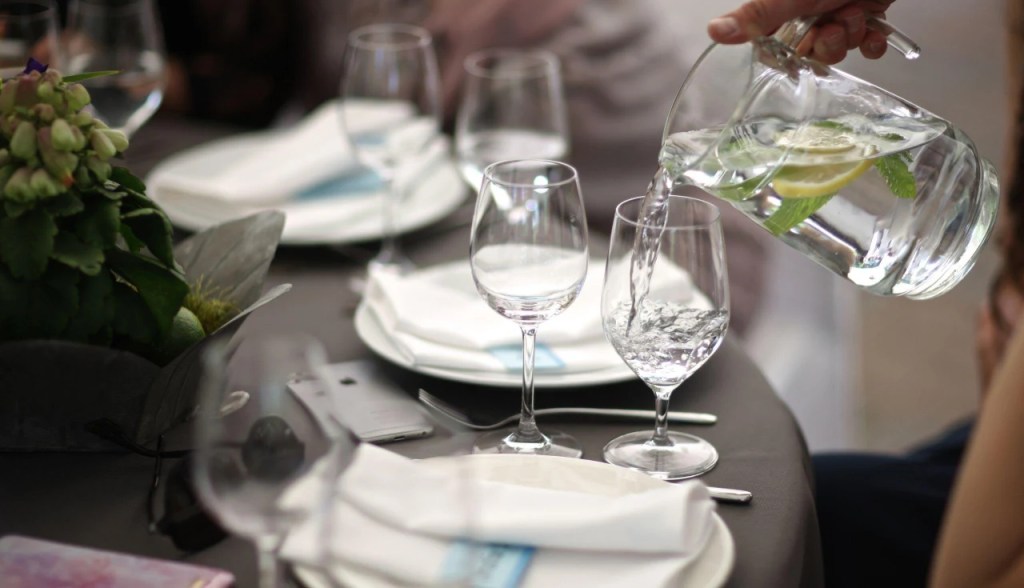
How Clean is Restaurant Water? — Alternative Water Solutions to Consider

Although most restaurants serve municipal tap water, the quality of that water can change as it moves through pipes, equipment, and storage systems before reaching customers.
- Most restaurant water is tap water: Restaurants typically serve municipal water that is safe but may vary in taste depending on the location.
- Plumbing can influence water quality: Old pipes or building infrastructure can affect taste, odor, and clarity.
- Filtration improves taste and quality: Many restaurants install filtration systems to remove chlorine, sediment, and other impurities.
- Filtered systems enhance guest experience: Using advanced filtration solutions, like bottleless systems and commercial filtration technologies, can help restaurants provide cleaner, better-tasting drinking water.
Summary: Restaurant water often comes from municipal supplies, but factors like plumbing, filtration, and maintenance practices can influence its taste and quality before it reaches your glass. Understanding how restaurant water is sourced and treated can help diners and businesses ensure a cleaner, better-tasting drinking experience.
Restaurant guests look forward to a clean, fresh glass of ice water (sometimes with a lemon wedge) when they sit down at a table, but they might be surprised to know that not all restaurant water is created equal. Here’s a closer look at the actual state of cleanliness associated with restaurant water and what owners can do to enhance their water supply quality moving forward.
Where does restaurant water come from?
It’s common for restaurants to serve plain tap water to guests. If restaurant owners opt for using the local water supply, consumers can rest assured that their free tap water has been regulated by the Environmental Protection Agency (EPA) and the U.S. Food and Drug Administration (FDA) to make sure that it’s clean and safe for consumption. Even bottled water is checked for sanitation by the FDA before it can be sold to anyone at a restaurant.
You might be wondering, “If tap water is filtered and regulated, then what’s the problem?” The short answer is that, despite filtration, restaurant water isn’t as clean as you might think. A study from the Proceedings of the National Academy of Sciences found that between 3-10% of the water systems in North America have been in violation of the Safe Drinking Water Act health standards each year — and restaurants are no exception.
It’s not uncommon for restaurant tap water to be contaminated with germs and chemicals that can have adverse effects on the health of guests. Some of the most common impurities found in any given tap water supply include:
- Microorganisms such as bacteria, germs, parasites, and viruses
- Lead
- Chlorine
- Aluminum
- Nitrates
- VOCS
- Pesticides
A study found that between 3-10% of the water systems in North America have been in violation of the Safe Drinking Water Act health standards each year.
What’s more, the quality of tap water across the United States can vary greatly. This means restaurant patrons drinking a glass of water in New York will experience a significantly different taste than guests dining not only across the country but even in the next zip code.
A Thoughtful Pour: Why Rosie’s Chose Premium, Sustainable Water
Rosie’s Restaurant installed a Vero Water filtration system to serve premium still and sparkling filtered water to guests, reducing bottled water costs while enhancing the restaurant’s sustainability and dining experience.
The risks of drinking contaminated water
Water consumption is essential, but it can cause adverse health effects when it’s contaminated or not properly filtered. Viruses, bacteria, and parasites can cause common ailments like stomach pain, vomiting, diarrhea, headache, and fever. However, according to the EPA, drinking water that contains unsafe levels of impurities can also lead to more severe health impacts, including:
- Gastrointestinal illnesses
- Nervous system or organ damage
- Skin discoloration from chemical exposure
- Developmental or reproductive issues
- Kidney failure
- Chronic diseases such as cancer
With the impact of unsafe drinking water in mind, what solutions can restaurants consider to ensure their valuable lunch and dinner guests have access to clean water on demand?
Considering a Highly-Filtered Alternative
According to The Conversation, 60 million Americans avoid tap water consumption, and distrusting its cleanliness is a big part of the problem. Restaurant owners can consider introducing high-quality filtration systems to guarantee a clean water supply that tastes great, too. Dependable water service providers like Culligan Quench provide bottleless water dispensers that take on-demand water to the next level through a series of filtration technologies, including advanced carbon filtration.
The combination of comprehensive filtration technologies can help your restaurant quickly and easily elevate the drinking water available. This is not only essential to the dining experience you can offer, but also to support the health of all of your employees, guests, and customers long-term.
Offer clean, great-tasting water with help from Culligan Quench
Our Culligan Quench Water Experts know that a ready supply of great-tasting, fresh drinking water and ice is critical for restaurants. That’s why we offer a full line of specialty still and sparkling filtered water dispensers, commercial ice makers or machines, and custom commercial water filtration systems ideally suited for the food service industry. And restaurant owners can feel assured that our state-of-the-art filtration technologies are tailored to your local water conditions.
Ready to provide clean, endless refills of still water, sparkling water, and ice to give your dining guests an unparalleled experience? Discover our full line of still and sparkling water dispensers, and get a free quote to get started!

Recommended products
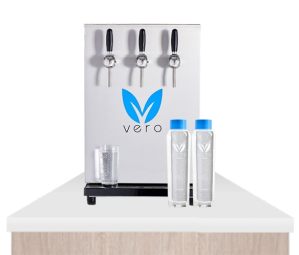
Vero +4 Still and Sparkling Water Dispenser
 1-25 Users
51+ Users
26-50 Users
1-25 Users
51+ Users
26-50 Users
 Ambient
 Cold
Cold
 Sparkling
Premium
Sparkling
Premium
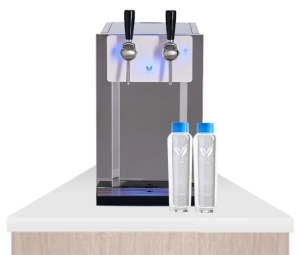
Vero Inspire 2.5 Still and Sparkling Water Dispenser
1-25 Users
51+ Users
26-50 Users
Cold
Sparkling
Premium
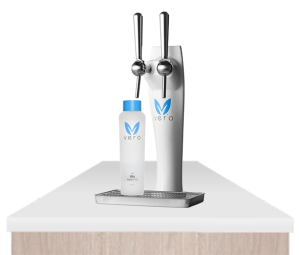
Vero Tower 72 Filtered Water Dispenser
1-25 Users
51+ Users
26-50 Users
Ambient
Cold
Premium