Savannah GA
Water Experts
Areas served
- Chatham County
- Effingham County
- Bryan County
- Liberty County
- Bulloch County
- Evans County
- Jasper County
- Harris County
- Glynn County
- McIntosh County
- Long County
- Columbia County
- Richer County
Bottleless dispensers fit for any business.
Bottleless water coolers
Offer a more sustainable solution for cleaner, better-tasting water on demand.
Ice
machines
Fast, efficient, and reliable ice and water machines with advanced filtration.
Sparkling water dispensers
Bottomless bubbles with built-in filtration for your modern workplace.
Filtered coffee brewers
Better water makes better coffee. Give your people great-tasting coffee from best-in-class brewers.
Savannah water quality throughout the years
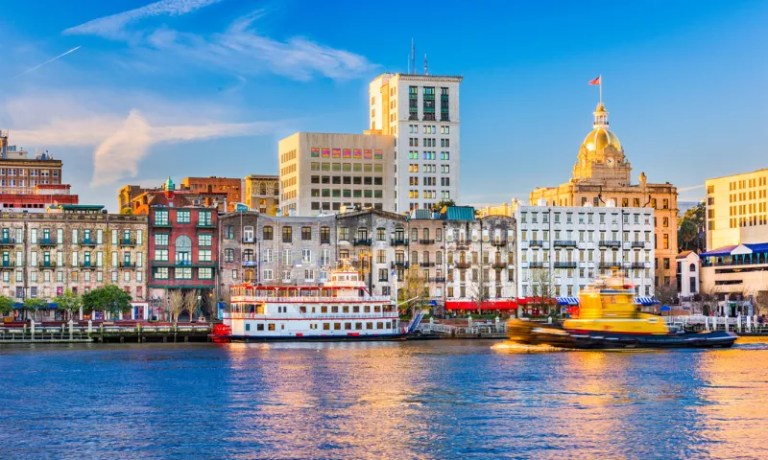
Today, Savannah Water Resources serves more than 215,000 customers in and around Chatham County. The city blends Floridan aquifer and Abercorn Creek water, producing 6,189 million gallons of groundwater and 154 million gallons of surface water. According to a recent Savannah Water Quality report, water is disinfected with chlorine and balanced with ammonia. Lime and phosphate are also added to combat corrosiveness.
Like many older cities, Savannah has cast iron pipes, prone to corrosion and biofilm contamination. Chemical reactions create clusters of deterioration and bacteria along the inside of the pipe, resulting in a “rotten egg” taste and smell. In addition, rising sea levels cause high levels of saltwater intrusion into the aquifer, which can result in salty-tasting drinking water.
General James Oglethorpe and 120 passengers on the ship “Anne” landed on a bluff along the Savannah River in 1733. Like the local Native Americans, these early settlers drew their drinking water from the abundant river source.
In 1866, city planners drilled Savannah’s first artesian well in Greene Square and distributed the water to the growing population through cast iron pipes. However, the artesian wells alone could not keep up with the demand, so they resumed drawing water from the Savannah River in addition to the artesian well water.
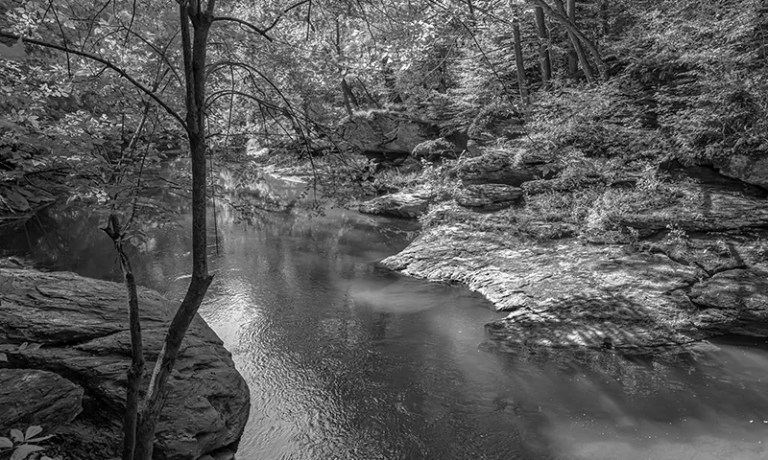
A U.S. Geological Survey from 1940 showed that the aquifer’s water level was decreasing. So, Savannah started to pull water from Abercorn Creek, a tributary of the Savannah River. The newly built Industrial and Domestic (I & D) Water Treatment Plant filtered Savannah drinking water, providing 35 million gallons a day. Since the 1940s, the I & D Water Treatment Plant has been upgraded and can hold 75 million gallons of water a day.
Lower your water costs
Culligan Quench bottleless water coolers can hydrate your entire staff while saving you money. See how much you can save by going bottleless.
How did we calculate this estimate? Learn about our methodology, assumptions, and data sources.
| Bottleless water cooler rental | Jug delivery | Bottled water delivery | Premium bottled water |
|---|---|---|---|
| $0 | $0 | $0 | $0 |
Recommended products
Use the calculator and we’ll recommend a few products here that will fit your needs!
Get your free estimate today.
Talk to an Savannah Culligan Quench water expert to find the best water solution for your space.
Culligan Quench filtration solutions.
Backed by 85 years of Culligan expertise, Culligan Quench has focused exclusively on providing businesses with the highest quality filtered water. This commitment to doing one thing well has made us the trusted water authority for over 75% of the Fortune 500. We offer the best bottleless water coolers, ice machines, sparkling water dispensers, and coffee brewers to fit any workplace. No matter your location, company size, or industry, we have a filtered water solution that is right for you
Play videoCulligan Quench of Savannah
Proudly providing businesses with clean, filtered drinking water in the greater Savannah Metro Area.
| Mon: | 8 AM – 8PM |
| Tues: | 8 AM – 8PM |
| Wed: | 8 AM – 8PM |
| Thur: | 8 AM – 8PM |
| Fri: | 8 AM – 8PM |
| Sat: | Closed |
| Sun: | Closed |
Frequently asked questions
Is Georgia tap water safe to drink?
Yes, Georgia’s tap water is generally safe, with most public water systems regularly tested for contaminants, including PFAS (Georgia EPD). While some areas may detect trace levels of PFAS or minerals, the water meets federal health standards. Using Culligan Quench filtration at the office could be a simple solution at the office for safer, better-tasting water, letting you enjoy clean and refreshing hydration without worry.
Does Georgia have hard water?
Yes, especially in Northwest Georgia, water tends to be hard. Hard water can leave mineral buildup on appliances, dishes, and plumbing. Installing a water softener or using Culligan Quench filtration technology can help protect your office, improve water taste, and keep your appliances running smoothly at the workplace.
Are there PFAS in Georgia water?
PFAS have been found in some areas, especially near industrial sites. These chemicals may linger in water over time, so filtration is recommended for extra safety. Culligan Quench filtration systems are designed to reduce contaminants, helping your water taste fresh and feel safe for daily use.
Water you can trust. From experts you can trust.
Over 120,000 companies, big and small, trust Culligan Quench for cleaner, safer, and great-tasting water.