Miami, Florida
water solutions
Areas served
- Miami-Dade County
- Broward County
- Palm Beach County
- Monroe County
- Collier County
- Martin County
- Glades County
- Hendry County
- Lee County
- St. Lucie County
- Okeechobee County
- Charlotte County
Bottleless dispensers fit for any business.
Bottleless water coolers
Offer a more sustainable solution for cleaner, better-tasting water on demand.
Ice
machines
Fast, efficient, and reliable ice and water machines with advanced filtration.
Sparkling water dispensers
Bottomless bubbles with built-in filtration for your modern workplace.
Filtered coffee brewers
Better water makes better coffee. Give your people great-tasting coffee from best-in-class brewers.
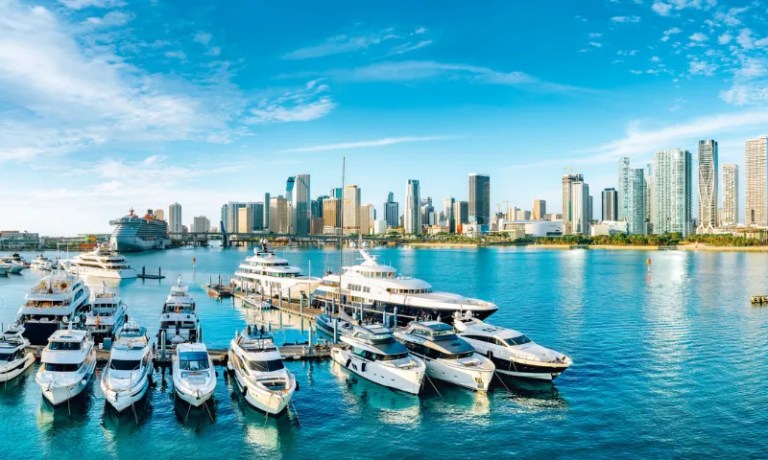
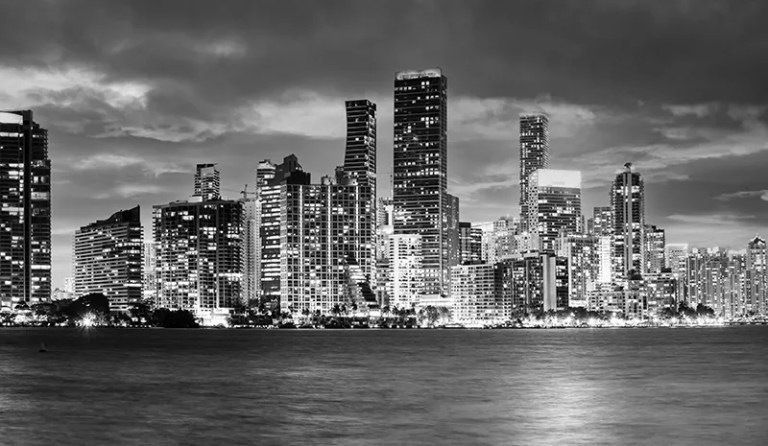
Miami water quality throughout the years
About 90% of South Florida’s drinking water is provided through municipal wells pumping fresh water from the Biscayne Bay Aquifer. The large aquifer extends from Palm Beach County to Florida Bay. A recent Miami Water Quality report identified 100 potential sources of contamination for this system with low to high susceptibility levels. The City of Fort Lauderdale also sources water from the Biscayne Aquifer. Before water reaches the faucet, it travels from the Biscayne Aquifer to one of two treatment plants – Fiveash, a lime softening plant, or Peele Dixie, a nanofiltration membrane plant.
According to the recent Fort Lauderdale Water Quality report, lead and copper may contaminate tap water due to corrosion of household plumbing systems. Although Fort Lauderdale drinking water meets safety requirements, it may also contain low levels of barium, fluoride, nitrite, and sodium.
Miami – Fort Lauderdale is a coastal region in southeastern Florida that sits between the Everglades to the west and Biscayne Bay to the east. So, it comes as no surprise that Miami means “Big Water”, from the Tequesta tribe “May aimi”. European settlers began exploring southeastern Florida in the 1500s, attracted to the abundance of fresh water from the Miami River. Early residents transformed the region into a gateway for international trade. They dredged and widened the rivers, created canals for trade ships, and extended the Florida East Coast Railroad to the city. Settlers also drained large parts of the Everglades to create fertile farmland for produce, like oranges, guava, and grapefruit.
By the 1940s, the region had grown into a center for international trade and tourism but residents began complaining that their drinking water tasted salty, and the post-World War II population boom further compromised Miami-Fort Lauderdale water quality. Finally, in 1955, a U.S. Geological Survey explored the “salty” Miami drinking water. In the past, water content in the Everglades had high levels of freshwater. However, draining the Everglades and Biscayne Bay caused salty water from the ocean to push inland, a trend that continues today.
Lower your water costs
Culligan Quench bottleless water coolers can hydrate your entire staff while saving you money. See how much you can save by going bottleless.
How did we calculate this estimate? Learn about our methodology, assumptions, and data sources.
| Bottleless water cooler rental | Jug delivery | Bottled water delivery | Premium bottled water |
|---|---|---|---|
| $0 | $0 | $0 | $0 |
Recommended products
Use the calculator and we’ll recommend a few products here that will fit your needs!
Get your free estimate today.
Talk to an Miami Culligan Quench water expert to find the best water solution for your space.
Culligan Quench filtration solutions.
Backed by 85 years of Culligan expertise, Culligan Quench has focused exclusively on providing businesses with the highest quality filtered water. This commitment to doing one thing well has made us the trusted water authority for over 75% of the Fortune 500. We offer the best bottleless water coolers, ice machines, sparkling water dispensers, and coffee brewers to fit any workplace. No matter your location, company size, or industry, we have a filtered water solution that is right for you
Play videoCulligan Quench of Miami
Proudly providing businesses with clean, filtered drinking water in the greater Miami Metro Area.
| Mon: | 8 AM – 8PM |
| Tues: | 8 AM – 8PM |
| Wed: | 8 AM – 8PM |
| Thur: | 8 AM – 8PM |
| Fri: | 8 AM – 8PM |
| Sat: | Closed |
| Sun: | Closed |
Frequently asked questions
Can you drink tap water in Miami?
Miami’s tap water quality is safe to drink and complies with the Environmental Protection Agency (EPA) standards. Sourced primarily from the Biscayne Aquifer, the water is treated to remove contaminants.
However, some areas may experience trace levels of trihalomethanes and other byproducts. Businesses seeking optimal water quality may want to install advanced filtration systems to enhance taste and reduce potential contaminants in water. You can also install water coolers and sparkling water dispensers to provide safe, refreshing drinking options for workers and customers.
Does Miami have hard water?
Miami’s water is classified as very hard. In fact, Florida water in general tends to be hard.
The high mineral content in hard water can lead to scale buildup in plumbing and appliances. Implementing water softening or filtration solutions can help protect equipment and improve water quality for daily use.
Water you can trust. From experts you can trust.
Over 120,000 companies, big and small, trust Culligan Quench for cleaner, safer, and great-tasting water.