Clear ROI & Healthier Teams: Why Offices Are Switching to Multi-Stage Water Filtration

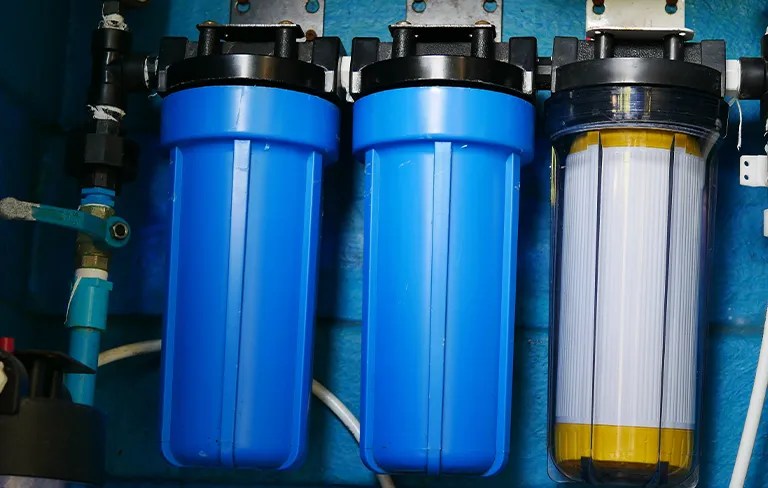
- Comprehensive contaminant removal: Unlike single-stage filters, multi-stage systems use a strategic sequence that includes sediment prefilters, activated carbon, membranes (RO/UF) and UV disinfection.
- Boosted cognitive performance: High-quality water free of off-flavors and odors encourages frequent consumption, leading to proper hydration. This leads to improved focus, better memory and reduced fatigue.
- Sustainability and cost efficiency: Using multi-stage, bottleless systems eliminates the logistical burden and plastic waste of bottled water delivery, offering a lower long-term cost per gallon and supporting corporate ESG (environmental, social and governance) goals.
- Strategic placement and maintenance: To maximize ROI, systems should be placed in high-traffic hubs (break rooms, conference areas) and maintained through scheduled filter changes and third-party certification (e.g., NSF/ANSI) to ensure ongoing compliance and trust.
- Cultural wellness integration: Implementing these systems is more than a utility upgrade; it serves as a visible commitment to employee well-being.
Multi-stage water filtration helps businesses reduce operating costs while supporting employee wellness and productivity. Replacing bottled water with bottleless systems makes it possible to minimize recurring expenses, reduce plastic waste and boost employees’ cognitive focus by up to 14%.
These systems use sequential sediment, carbon, membrane (reverse osmosis) and UV filters, providing businesses with NSF/ANSI-certified protection against lead, volatile organic compounds (VOCs) and microbes. This technology enhances safety while promoting workplace wellness and helping your company reach its ESG goals.
Dehydration isn’t just a health concern; it’s also a business issue. Research from the Alzheimer’s Drug Discovery Foundation indicates that dehydration causing more than a 2% loss in body mass has a measurable impact on attention, motor control and executive function.
By leveraging multi-stage filtration benefits, you can deliver consistently clean, great-tasting water that employees want to drink. If you’re evaluating filtered water coolers for your workplace, understanding how multi-stage filtration works is the first step to choosing the right solution.
Dehydration causing more than a 2% loss in body mass impacts attention, motor control, and executive function.
What are the business and health benefits of purified office water?
Dehydration affects productivity by causing headaches, fatigue and memory fog. Providing clean, pleasant-tasting water drives continuous hydration, helping you avoid these negative consequences. Proper hydration increases alertness and helps employees fight off fatigue.
Reduced contaminants
Many multi-stage filtration benefits come from a reduction in contaminants. The carbon and catalytic filtration stages reduce levels of chlorine and other disinfection byproducts, making water taste and smell better. Reverse osmosis (RO) or certified lead-reduction filters remove lead and other heavy metals associated with heart and nervous system concerns.
Better taste and odor
Improved taste and odor directly support your efforts to improve hydration in the workplace. When water smells or tastes funny, employees aren’t motivated to drink it, making dehydration more likely. A lack of hydration can quickly lead to headaches, fatigue and reduced concentration, all of which affect productivity. By removing taste and odor compounds, multi-stage filtration systems encourage workers to sip water throughout the day. This shows how the benefits of multi-stage water filtration for offices extend far beyond simple taste improvements.
Long-term quality and compliance
The advantages of a multi-stage water filtration setup don’t end with better taste and quality. Regular monitoring and testing help sustain long-term water quality and compliance.
Best practices include:
- Scheduled cartridge changes according to manufacturer guidance
- Periodic testing for chlorine, total dissolved solids (TDS) and microbial indicators
- Verification against applicable standards
Case study: Real Estate Firm Seeks Heathier Water Options
Culligan Quench water expert recommends hydration upgrade, delivering filtered water and ice for 300 employees.
Download for freeUnderstanding multi-stage filtration
Modern systems use a series of complementary filters instead of a single filtration type. Each filter addresses specific contaminants, so combining them maximizes performance.
Common filtration stages include:
- Sediment prefilters: Prefilters capture larger pieces of sediment, such as sand, rust and particulate matter.
- Activated carbon: Activated carbon improves the taste and smell of water by adsorbing chlorine, chloramines, VOCs and other compounds. Adsorption is a process that causes contaminant molecules to stick to a filtration material.
- Catalytic media: Catalytic media enhances chloramine reduction and removes certain sulfur compounds, further improving taste, which may encourage employees to drink more water throughout the day.
- Membrane filtration: Microfiltration and ultrafiltration remove tiny particles, cysts and some microbes. RO reduces dissolved solids and heavy metals, including lead and arsenic.
- UV disinfection: UV disinfection is often used as a final safeguard. It inactivates bacteria and viruses without chemicals.
To maximize multi-stage filtration benefits, focus on flow rate (gallons per minute), micron rating (filtration fineness) and filter lifespan (time/number of gallons to replacement).
Cost savings, sustainability & ESG perks
When compared with single-use bottled water, bottleless multi-stage systems reduce costs and waste. Without bottles, you don’t have to worry about recurring purchases, delivery schedules or storage. You can also minimize plastic waste and emissions associated with bottled water production and transportation. Maintenance is also straightforward.
You can keep costs manageable by:
- Replacing filters according to manufacturer schedules (based on time or gallons used)
- Sanitizing dispensing points regularly
- Inspecting for leaks
- Verifying pressure
- Confirming indicator lights
- Keeping spare cartridges on hand
- Scheduling routine preventive services
Improving workplace hydration and productivity
When water looks, smells and tastes clean, employees are more likely to drink it. It helps to have clear signage with real-time indicators and an explanation of what the system filters. Clear explanations build trust and reduce reliance on sugary beverages.
Adequate hydration supports productivity by improving attention, mood and working memory. Therefore, increasing access to filtered water promotes workplace wellness and may reduce absenteeism. You can boost the benefits of multi-stage filtration by making it easy for employees to access clean, tasty water.
Consider adding bottleless, filtered stations at these high-traffic points:
- Break areas
- Conference rooms
- Entrances
- Printer hubs
Once you install water stations, make them easy to find. Refill stations should have touchless dispensing to prevent lines from forming during peak periods.
Choosing & implementing the right solution for your office
If you want to reduce waste, minimize costs and meet your ESG goals, start with a water quality assessment to identify key contaminants and determine the best filtration methods. You should also consider capacity needs, such as how many employees you have and when they’re most likely to fill their water bottles. Finally, map installation requirements, such as water line access and drain availability.
It’s also critical to request the following information:
- Core specifications
- Third-party certifications
- System capacity
- Flow rate
- Micron ratings per stage
- UV dosage (if applicable)
- Expected filter lifespan
When installing a multi-stage filtration system, the onboarding process drives adoption. Offer a short orientation, distribute branded refillable bottles and collect feedback. Tracking satisfaction scores and other metrics can help you determine if you need to adjust placement, flow settings or service intervals. Schedule a free consultation with Culligan Quench to explore multi-stage filtration solutions that can help your business reach its goals.
Recommended products
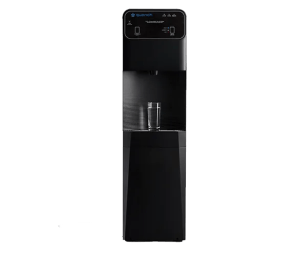
Q12 Touchless Bottleless Water Cooler
Available with electrolyte-enhanced water
 51+ Users
 Hot
Hot
 Cold
Cold
 Ambient
 Extra Hot
 Sparkling and light sparkling
Q14 Bottleless Water Cooler
Sustainable hydration for high-traffic spaces
51+ Users
Hot
Cold
Ambient
Extra Hot
Sparkling and light sparkling
Twist Flavored Water Dispenser
Eight zero-calorie flavors. Four functional boosts.
51+ Users
Hot
Cold
Ambient
Extra Hot
Sparkling and light sparkling