Health and wellness
Comparing Types of Water to Find the Healthiest Water to Drink
Updated: Dec 16, 2025 |
Published: Feb 26, 2024
Water is essential for every function in the human body. It regulates temperature, transports nutrients, supports digestion, and keeps joints cushioned. With so many different kinds of water available today—tap, bottled, purified, mineral, alkaline, and more—it’s natural to wonder which one is the healthiest to drink.
The short answer is that the healthiest water is clean, balanced, and safe. It should be free from contaminants, retain beneficial minerals, and come from a trusted source. The best type often depends on where you live, your personal health goals, and how your water is treated.
This guide explains what affects water quality, compares popular water types, and highlights factors like cost, convenience, and sustainability. By understanding the differences, you can choose the best option for your body, your workplace, and the planet.
Key factors affecting the taste and quality of different types of water
Even though water seems simple, its composition can vary widely. Taste, texture, and health effects depend on where it comes from, how it’s treated, and how it’s delivered to your tap or bottle.
Water source
The source determines the mineral makeup and overall purity of water. Groundwater, drawn from aquifers and wells, often contains beneficial minerals such as calcium and magnesium. Surface water from rivers and reservoirs tends to be softer but may require more treatment to remove organic material or sediments.
Spring water comes directly from natural sources and often has a crisp, distinctive taste due to its mineral content. In contrast, rainwater and collected surface runoff can contain particulates that must be filtered before consumption.
Contaminants
Even the cleanest-looking water can contain trace contaminants. Some are naturally occurring—like iron, sulfur, or manganese—while others result from human activity. Fertilizer runoff, industrial discharge, or aging plumbing can introduce impurities such as lead or nitrates.
Municipal water systems are heavily regulated to minimize risk, but localized issues, such as old pipes or private wells, may still affect safety. The Environmental Protection Agency (EPA) enforces strict maximum contaminant levels (MCLs) to protect consumers.
Water treatment processes
Treatment determines how safe and palatable your water will be. Common techniques include:
- Chlorination, to kill bacteria and pathogens.
- Filtration, to remove sediments and chemicals.
- Reverse osmosis, for high-level contaminant reduction.
- UV disinfection, to neutralize microorganisms.
Each method alters taste and mineral composition. Over-filtration can make water taste flat, while insufficient filtration can leave behind unwanted substances.
Piping and distribution systems
Even if water meets quality standards when it leaves a treatment plant, it can pick up impurities on the way to your tap. Corroded pipes may release metals, while biofilm can develop inside old plumbing systems. Regular testing and maintenance are essential for ensuring consistent safety.
Geography and environmental factors
Water’s mineral profile reflects local geology. Regions with limestone bedrock often produce hard water, rich in calcium and magnesium. Mountainous or volcanic regions may yield softer water with different trace minerals. Environmental conditions, including drought or heavy rainfall, can also temporarily change water chemistry.
These factors combine to shape what you taste, how water interacts with your body, and what kind of filtration you might need.
The power of healthy water
Clean, well-balanced water can have a noticeable effect on how you feel day to day. Proper hydration helps maintain energy, concentration, and even mood.
Different water types support health in different ways:
- Mineral water provides electrolytes that aid muscle function and recovery after exercise.
- Filtered water removes impurities like chlorine or sediment that may alter taste or cause irritation.
- Purified water offers consistency for people with sensitive systems or those seeking neutral-tasting hydration.
- Sparkling water can help some people drink more by making hydration feel refreshing and varied.
Regardless of type, the healthiest water is one you enjoy enough to drink regularly.

Exploring and comparing the different types of water
The range of available water options can make choosing one confusing. Below is an overview of the most common types, including their benefits, drawbacks, and what makes each unique.
Tap water
Tap water is one of the most accessible and affordable sources of drinking water. In the United States, it’s regulated under the Safe Drinking Water Act, which sets strict quality standards. Municipal systems treat water for bacteria and chemicals and monitor it for compliance.
However, tap water can vary in taste depending on where you live. Chlorine, used as a disinfectant, may leave a mild odor, and older plumbing can affect flavor or introduce trace metals.
Bottled water
Bottled water offers portability and convenience, and it can come from natural springs or municipal sources. The Food and Drug Administration (FDA) oversees its quality and labeling.
While bottled water is generally safe, it’s more expensive and less sustainable. Production and transportation consume energy, and plastic bottles generate significant waste. Some bottled water also contains trace amounts of microplastics due to packaging and bottling processes.
Distilled water
Distillation involves boiling water and collecting the vapor, leaving most impurities behind. The result is extremely pure, but the process also removes minerals that contribute to taste and nutrition.
Distilled water is often used in laboratory or medical settings. It’s safe to drink occasionally, but because it lacks electrolytes, it may not be ideal for long-term hydration.
Distilled water vs. purified water
Both are processed for purity, but purified water is treated through advanced filtration rather than boiling. Reverse osmosis and deionization remove contaminants while sometimes leaving trace minerals intact. Purified water offers similar safety but often better taste than distilled water.
Purified water
Purified water starts as tap or groundwater and undergoes a multi-step process to remove chemicals, heavy metals, and bacteria. It’s reliable, consistent, and ideal for workplaces or households where water quality varies. Its neutral flavor makes it appealing for daily drinking and brewing beverages.
Sparkling water vs. purified water
Sparkling water adds carbonation for effervescence and flavor variety. It’s equally hydrating, but carbonation can make it feel heavier or mildly acidic. Purified water provides a neutral alternative for those who prefer still hydration.
Sparkling water
Naturally carbonated or artificially infused with carbon dioxide, sparkling water provides a crisp, satisfying experience. It’s a popular substitute for sugary drinks, supporting hydration while adding texture. For frequent consumption, choose varieties without added sodium or sweeteners.
Mineral water
Mineral water is collected from underground springs rich in natural minerals. It’s valued for taste and mineral content, especially calcium, magnesium, and bicarbonate. These elements contribute to electrolyte balance, bone health, and digestion.
Alkaline water
Alkaline water has a pH level above 7 and is marketed for its potential to neutralize acid. Some drinkers report that it eases acid reflux or supports hydration after exercise. However, scientific evidence for broad health benefits remains limited. The key advantage lies in its cleanliness and taste rather than pH alone.
Alkaline water vs. purified water
Purified water focuses on removing contaminants. Alkaline water modifies pH and may include trace minerals, but both can support hydration when sourced and filtered properly.
Filtered water
Filtered water passes through carbon filters or membranes to reduce chlorine, lead, and other impurities. Depending on the system, it may also reduce fluoride or microplastics. Filtered water combines the convenience of tap water with improved taste and safety, making it a top choice for both homes and offices.
Healthy considerations and safety
All drinking water in the U.S. is regulated for safety, but each type has different health implications.
- EPA regulations and oversight: The EPA ensures that public water systems meet strict quality criteria. Consumers can access annual Consumer Confidence Reports (CCRs) to review testing results and local contaminant levels.
- Mineral content: Water with natural minerals can help replace electrolytes and enhance taste. Distilled and some purified waters lack these elements, which may matter for those with high physical activity levels.
- Contamination risks: Even treated water can face challenges such as lead leaching, storage contamination, or bacterial growth in poorly maintained systems. Periodic testing helps confirm quality.
- Plastic and health concerns: Bottled water stored in sunlight or high heat may absorb trace chemicals from plastic. Reusable or point-of-use filtered systems minimize this risk while supporting sustainability.
Environmental and cost considerations
Sustainability plays an increasing role in determining what counts as “healthy.” The environmental and financial costs of water differ dramatically by source.
Bottled water generates an estimated 60 million plastic bottles daily in the U.S. alone, many of which are not recycled. Producing and transporting bottled water consumes large amounts of energy and contributes to carbon emissions.
Tap water, on the other hand, costs only fractions of a cent per gallon and has a minimal carbon footprint. Adding a filtration system provides the same clean taste and confidence as bottled water with far less environmental impact.
From a financial standpoint, the average bottled water consumer spends hundreds of dollars annually, compared to only a few dollars for the same volume of filtered tap water. Over time, workplace filtration systems offer both economic and ecological benefits.
For more on safety and storage, see Does water expire?.
So, what is the healthiest type of water?
There is no single answer that fits everyone. The healthiest water balances purity, minerals, and sustainability. For most people, filtered or purified tap water is the best long-term option because it provides reliable safety, good taste, and low environmental impact.
When comparing water types, keep these considerations in mind:
- Minerals: Calcium and magnesium support health and flavor.
- Purity: Contaminant-free water promotes safety.
- Cost: Long-term affordability favors filtration.
- Environmental impact: Reduced plastic use protects ecosystems.
- Convenience: Consistent access encourages better hydration.
Mineral water delivers natural electrolytes. Purified water guarantees consistent cleanliness. Filtered water achieves both while staying sustainable.
Access healthy water anytime
Culligan Quench helps businesses and organizations provide safe, great-tasting water on demand.
- Advanced filtration: Multi-stage technology removes contaminants like chlorine and lead.
- Customizable systems: Under-sink, countertop, and point-of-use coolers designed for any workspace.
- Sustainability: Bottleless systems eliminate single-use plastic waste.
- Space efficiency: Sleek dispensers fit compact or high-traffic environments.
- Professional service: Expert installation and maintenance ensure consistent water quality.
Get a free estimate and see how Quench can help your team stay hydrated, healthy, and environmentally responsible.
Authored by:

Author name: Elizabeth Smith
Author bio: Elizabeth Smith is a seasoned writer with a background in science and technology, now focused on workplace wellness, sustainability, and smart business solutions. With more than a decade of experience writing for universities and private companies in the engineering and tech sectors, she brings a research-driven approach to every topic.
When she’s not writing, you’ll find her hiking, Nordic skiing, or planning her next off-the-grid adventure — always with a reusable water bottle in hand.
Author education: B.S., Scientific and Technical Communication
Recommended products
Culligan Quench has an advanced suite of point-of-use systems that are designed to meet the needs of workplaces of all shapes and sizes. Here are some products we recommend for your business.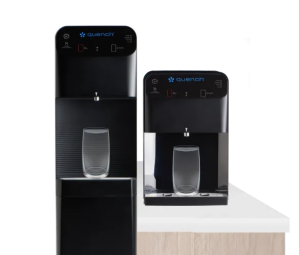
Q8 Touchless Bottleless Water Cooler
Available with quenchWATER+ electrolyte water
 High
High
 Hot
Hot
 Cold
Cold
 Ambient
 Extra Hot
 Sparkling
Top pick
Sparkling
Top pick
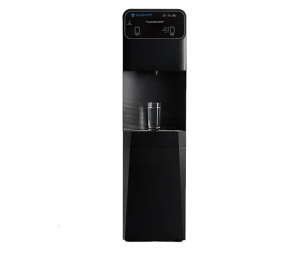
Q12 Touchless Bottleless Water Cooler
Available with quenchWATER+ electrolyte water
 Commercial
Hot
Cold
Ambient
Extra Hot
Sparkling
Commercial
Hot
Cold
Ambient
Extra Hot
Sparkling
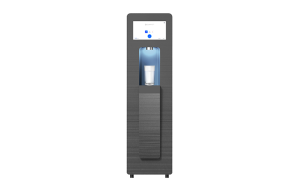
Q14 Bottleless Water Cooler
Available with quenchWATER+ electrolyte water
Commercial
Hot
Cold
Ambient
Extra Hot
Sparkling
Top pick