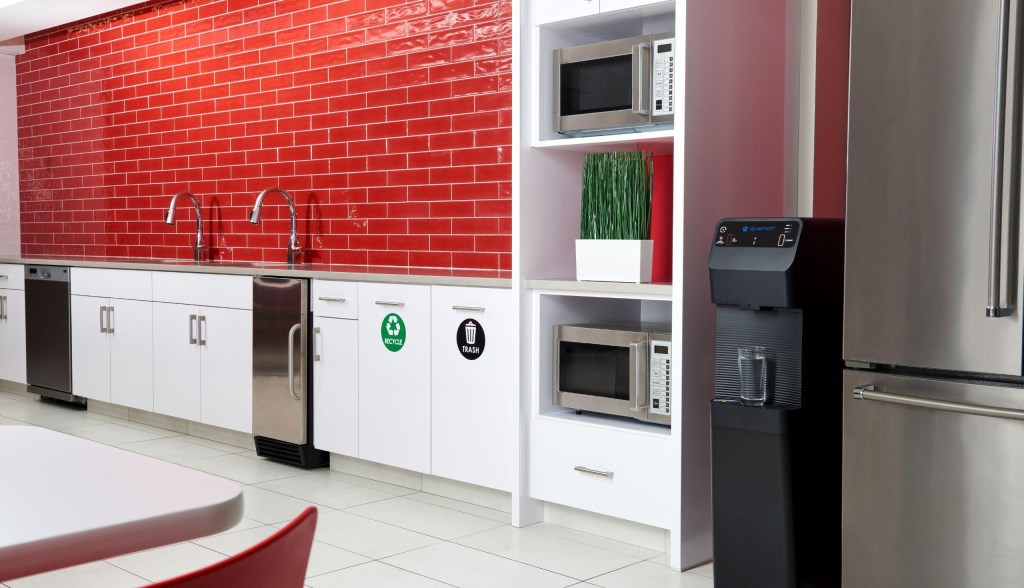
6 Bottled Water Alternatives to Consider

Traditional single-use plastic water bottles and large gallon jugs contribute to waste, resource use, emissions, and environmental harm, making eco-friendly alternatives worth exploring at work.
- Cut costs and reduce carbon emissions: Bottleless systems can save nearly $4,000 annually while delivering a carbon benefit comparable to planting around 120 trees each year.
- Ditch microplastics for good: Glass and stainless steel eliminate the risk of chemical leaching and toxins linked to aging PET plastic.
- Scale for your company or office size: Boxed water and plant-based bottles can work for events, but bottleless dispensers make more sense for high-occupancy workplaces.
- Recycling is not enough: The biggest environmental gains come from reducing plastic at the source through point-of-use filtration.
Summary: Looking for a better workplace alternative to bottled water? Glass and stainless steel bottles can reduce plastic use for employees, while filtered tap setups, refill stations and bottleless dispensers cut waste across the office. Boxed water and plant-based bottles may suit events, but bottleless systems usually make the most sense for busy workplaces that need a long-term solution.
Switching away from bottled water can reduce plastic waste, free up storage space and simplify daily hydration. The right setup depends on how people move through your workplace and where they’re most likely to refill. In a smaller office, a filtered tap setup may be enough. Across larger shared spaces, refill stations and bottleless dispensers usually give teams easier access to water throughout the day.
The environmental impact of bottled water
Bottled water creates trash after use, plus the packaging has to be manufactured, transported, stored and discarded, adding cost and environmental impact at every stage. For workplaces trying to reduce waste in practical ways, that cycle is often the first issue worth fixing.
Plastic bottled water and plastic waste
Single-use bottled water creates a steady stream of visible waste. Even with recycling bins nearby, bottles can pile up quickly in break rooms, conference areas, shared kitchens and waiting spaces. That makes packaged water a weak fit for organizations trying to cut waste in ways employees can actually see.
Water and oil usage
Plastic bottles also carry a resource cost before they ever reach your office. Manufacturing uses water, energy, raw materials and oil. Then those bottles still need to be packed, shipped, unloaded and stored, which adds more impact without improving the water itself.
Microplastics
Plastic packaging can also raise health concerns. As bottles age, tiny plastic particles can break off into the water. For many employers, a smarter hydration setup starts with reducing reliance on plastic packaging.
Carbon emissions
The environmental cost doesn’t stop after production. Repeated shipments add transport emissions, and storage adds another operational layer. Recycling can help, but it doesn’t erase the footprint created earlier in the process.
For most workplaces, bottleless water dispensers are the most sustainable long-term alternative to plastic water bottles because they remove the packaging cycle altogether. Boxed water is better than traditional plastic in many cases, but it still needs to be bought, stored, restocked and discarded.
6 bottled water alternatives to consider
The right drinking water setup depends on your space, the size of your team and how people move through the workday. A smaller office may do well with a simple refill point and reusable bottles. Larger workplaces often need something more consistent and easier to maintain across multiple shared areas.
Glass water bottles
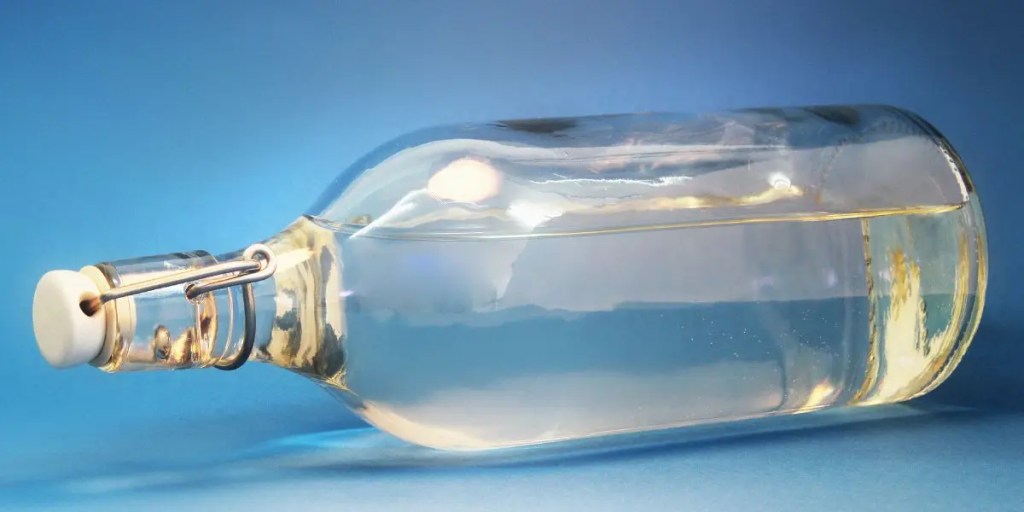
Glass bottles are reusable, easy to clean and free from the plastic taste many people notice. They work well for desks, conference rooms and lower-traffic environments. The downside is straightforward: they’re heavier and easier to break.
Stainless steel bottles
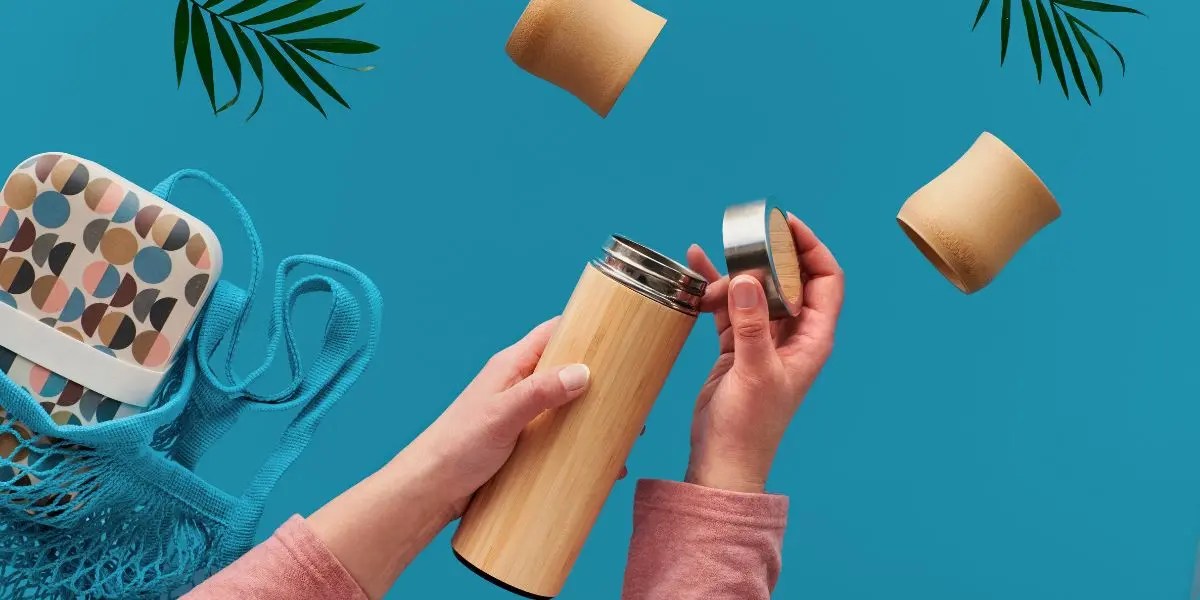
Stainless steel bottles are durable and built for regular use. They’re a strong fit for commuting employees, active workplaces and teams that want something long-lasting. Many people also prefer them because they keep water cold longer.
Plant-based water bottles
Plant-based bottles use renewable resources instead of standard fossil-fuel plastics. They can make sense for events, guest hospitality and short-term workplace needs. However, they still create packaging waste, which limits their value as an everyday solution.
BPA-free, reusable plastic water bottles
Reusable plastic bottles are lightweight, affordable and easy to hand out at scale. They can work well for schools, gyms and larger teams. However, over time, they wear out and need to be replaced.
Filtered tap water
Filtered tap water is one of the easiest ways to cut waste and lower ongoing costs. A pitcher, faucet filter or under-sink system can work well for smaller offices and shared kitchens. It gives employees a refill option without the clutter of packaged water.
Refilling stations and dispensers
Refilling stations and bottleless dispensers are often the best fit for larger workplaces. They provide filtered water without disposable bottles or bulky jugs. In busy offices, schools and other high-occupancy environments, they bring the strongest mix of convenience, lower water waste and day-to-day reliability.
Case study: Environmentally-friendly hydration for educational institution
A university replaced heavy 5-gallon jug deliveries with over 40 Culligan Quench bottleless water coolers, providing filtered water to more than 45,000 students and staff while saving nearly $4,000 annually.
Why these alternatives to bottled water make sense
Your workplace hydration setup only works if people use it without thinking twice. Reusable bottles help employees keep water nearby, and refill access makes that habit easier to maintain. Bottleless dispensers bring those two pieces together while reducing waste and cutting down on purchasing, storage and cleanup.
How to build a sustainable hydration routine
Start with access. Place refill points in break rooms, shared kitchens, waiting areas and other high-traffic spots. Then support that setup with reusable bottles employees will actually want to keep at their desks, carry to meetings and use throughout the day.
Product recommendations
Here are our recommendations for plastic-bottle-free water at work.
Reusable bottles
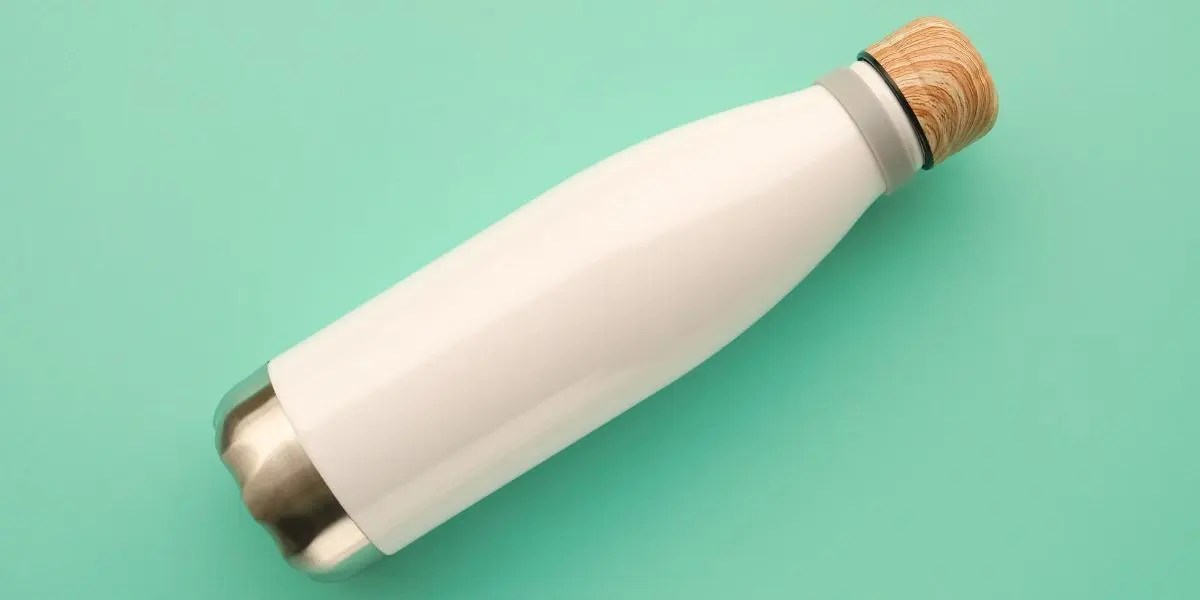
For individual use, glass and stainless steel are the strongest choices. Both reduce plastic exposure and support better refill habits over time.
Water filtration systems
For workplace use, filtered tap systems and bottleless dispensers are the strongest long-term fit. They reduce waste at the source and make hydration easier to manage across shared spaces.
Product recommendations
Reusable bottles
For individual use, glass and stainless steel are the strongest choices. Both reduce plastic exposure and support better refill habits over time.
Water filtration systems
For workplace use, filtered tap systems and bottleless dispensers are the strongest long-term fit. They reduce waste at the source and make hydration easier to manage across shared spaces.
Boxed water: Where it fits in
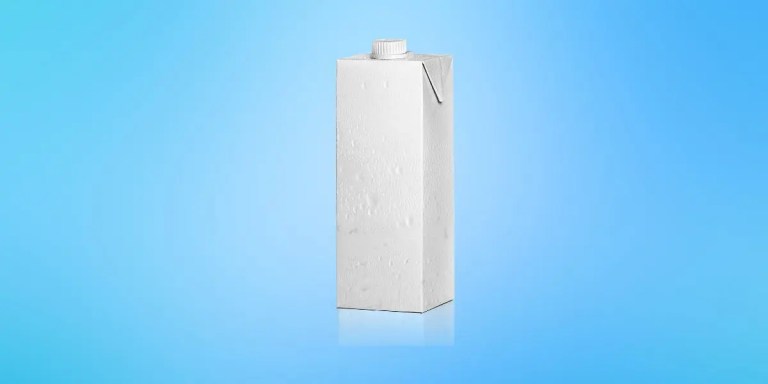
Boxed water can make sense when a workplace needs portable packaged water for an event, a training session, a visitor area or a temporary setup. It usually has a lower-impact profile than standard plastic bottles. However, for everyday hydration, it keeps the same cycle in motion: ordering, storage, restocking and disposal.
Start your sustainable water journey with Culligan Quench
Making the switch to eco-friendly drinking water options is more crucial than ever, and if you’re looking to procure your water with ease, look no further than Culligan Quench. With high-quality products and reliable service coast-to-coast, Culligan Quench is a vendor you can depend on. Explore a broad range of bottleless water dispensers that provide an endless supply of clean water on demand.

Frequently asked questions
Can you remove microplastics from tap water by boiling it?
Boiling may help in certain cases, but it isn’t practical for a busy workplace. A bottleless dispenser with advanced five-stage filtration is a much easier everyday solution.
What is the most sustainable alternative to plastic water bottles?
Glass water bottles, stainless steel bottles and point-of-use filtration systems are all strong alternatives. For most workplaces, bottleless dispensers are the best long-term choice because they eliminate the packaging cycle.
Is boxed water actually better for the environment than plastic?
Usually, yes. It’s made from approximately 92% renewable materials and is fully recyclable. However, it’s less eco-friendly and cost-effective for large offices than a permanent bottleless water installation.
Recommended products
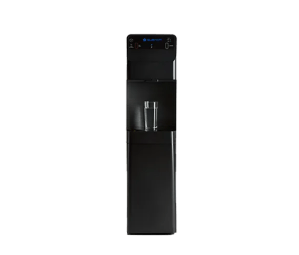
Q4 Touchless Bottleless Water Cooler
Available with quenchWATER+ electrolyte water
 1-25 Users
 Hot
Hot
 Cold
Cold
 Ambient
 Extra Hot
 Sparkling and light sparkling
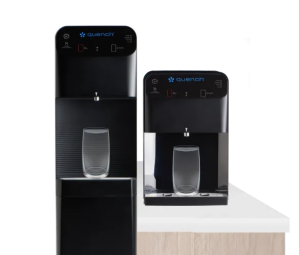
Q8 Touchless Bottleless Water Cooler
Available with quenchWATER+ electrolyte water
26-50 Users
Hot
Cold
Ambient
Extra Hot
Sparkling and light sparkling
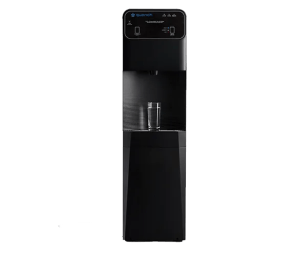
Q12 Touchless Bottleless Water Cooler
Available with electrolyte-enhanced water
51+ Users
Hot
Cold
Ambient
Extra Hot
Sparkling and light sparkling