Quality Nashville
water services
Areas served
- Davidson County
- Williamson County
- Rutherford County
- Sumner County
- Wilson County
- Robertson County
- Cheatham County
- Montgomery County
- Marshall County
- Trousdale County
- Stewart County
- Humphreys County
- Dickson County
- Hickman County
- Smith County
- Clay County
- Pickett County
- Jackson County
- Fentress County
Bottleless dispensers fit for any business.
Bottleless water coolers
Offer a more sustainable solution for cleaner, better-tasting water on demand.
Ice
machines
Fast, efficient, and reliable ice and water machines with advanced filtration.
Sparkling water dispensers
Bottomless bubbles with built-in filtration for your modern workplace.
Filtered coffee brewers
Better water makes better coffee. Give your people great-tasting coffee from best-in-class brewers.
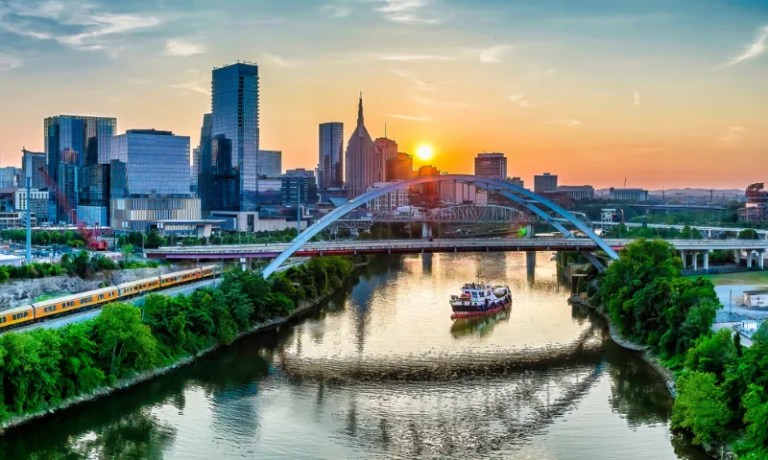
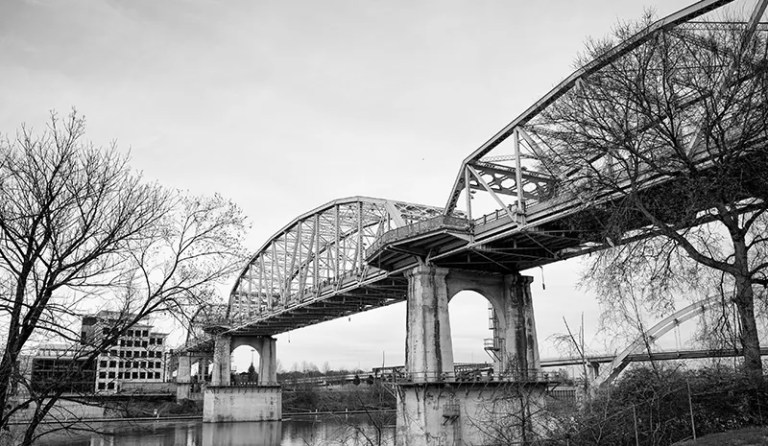
Nashville water quality throughout the years
Today, Nashville drinking water comes from the Cumberland River before entering one of two treatment plants: K.R. Harrington and Omohundro. The treatment plants disinfect water using small amounts of fluoride and bleach. Then Nashville drinking water travels across over 3,000 miles of water pipes before reaching city residents.
According to the recent Nashville Water Quality report, water meets EPA regulations. However, like many older American cities, Nashville still has cast iron pipes, which can corrode and contaminate Nashville water with lead and copper, resulting in a cloudy, rusty taste.
Early settlers chose the site for Fort Nashboro because of the abundance of pure water from a local spring. As the city of Nashville grew, residents began pumping water to a reservoir in the public square through hollow locust and cedar logs. But in 1829, a fire destroyed the water distribution system, and Nashville had to rebuild a new infrastructure using cast iron pipes.
In response to several cholera outbreaks in 1878, city engineers installed an island filtering gallery at the mouth of Brown’s Creek. The facility reduced waterborne bacteria by removing mud and other contaminants. To improve Nashville water quality, city officials began adding sulfate of alumina, a chemical that coagulates muddy river water into larger, heavier pieces which settle. The City Reservoir, later renamed the 8th Avenue Reservoir, was completed in 1889 as a settling basin, allowing mud to settle out of the river before distributing the water. The Omohundro Water Treatment Plant was later constructed in 1929 to help further improve Nashville drinking water.
Lower your water costs
Culligan Quench bottleless water coolers can hydrate your entire staff while saving you money. See how much you can save by going bottleless.
How did we calculate this estimate? Learn about our methodology, assumptions, and data sources.
| Bottleless water cooler rental | Jug delivery | Bottled water delivery | Premium bottled water |
|---|---|---|---|
| $0 | $0 | $0 | $0 |
Recommended Products
Use the calculator and we’ll recommend a few products here that will fit your needs!
Get your free estimate today.
Talk to an Nashville Culligan Quench water expert to find the best water solution for your space.
Culligan Quench filtration solutions.
Backed by 85 years of Culligan expertise, Culligan Quench has focused exclusively on providing businesses with the highest quality filtered water. This commitment to doing one thing well has made us the trusted water authority for over 75% of the Fortune 500. We offer the best bottleless water coolers, ice machines, sparkling water dispensers, and coffee brewers to fit any workplace. No matter your location, company size, or industry, we have a filtered water solution that is right for you
Play videoCulligan Quench
of Nashville
Proudly providing businesses with clean, filtered drinking water in the greater Nashville Metro Area.
| Mon: | 8 AM – 8PM |
| Tues: | 8 AM – 8PM |
| Wed: | 8 AM – 8PM |
| Thur: | 8 AM – 8PM |
| Fri: | 8 AM – 8PM |
| Sat: | Closed |
| Sun: | Closed |
Frequently asked questions
Can you drink tap water in Nashville?
Yes, according to the Metropolitan Government of Nashville and Davidson County, the city’s tap water is safe to drink. To ensure quality, Metro Water Services funnels water collected from the Cumberland River into two treatment plants, where it’s treated, filtered and tested for contamination by certain organic and inorganic substances. Complete water quality reports are publicly available at water.nashville.gov.
Although tap water may be safe to drink, chlorine, dissolved minerals and corroded pipes can cause variations in its color, clarity and taste. A sustainable water filtration system can ensure a convenient supply of great-tasting filtered water to your business.
Does Nashville have hard water?
Yes, limestone deposits in and around the Cumberland River, which supplies the city, cause moderately hard water in Nashville. Hardness occurs when water contains calcium, magnesium and other dissolved minerals.
Although hard water isn’t a health risk, it can leave a buildup on plumbing fixtures, such as faucets, and may cause spotting on dishes and glassware. It can also affect the taste of your drinking water. If you’re concerned about providing great-tasting hydration for your home or office, contact Culligan Quench to learn more about their clean drinking water solutions.
Water you can trust. From experts you can trust.
Over 120,000 companies, big and small, trust Culligan Quench for cleaner, safer, and great-tasting water.