
The real cost of bottled water.
See how our bottleless water coolers compare.
Areas served
Offer a more sustainable solution for cleaner, better-tasting water on demand.
Fast, efficient, and reliable ice and water machines with advanced filtration.
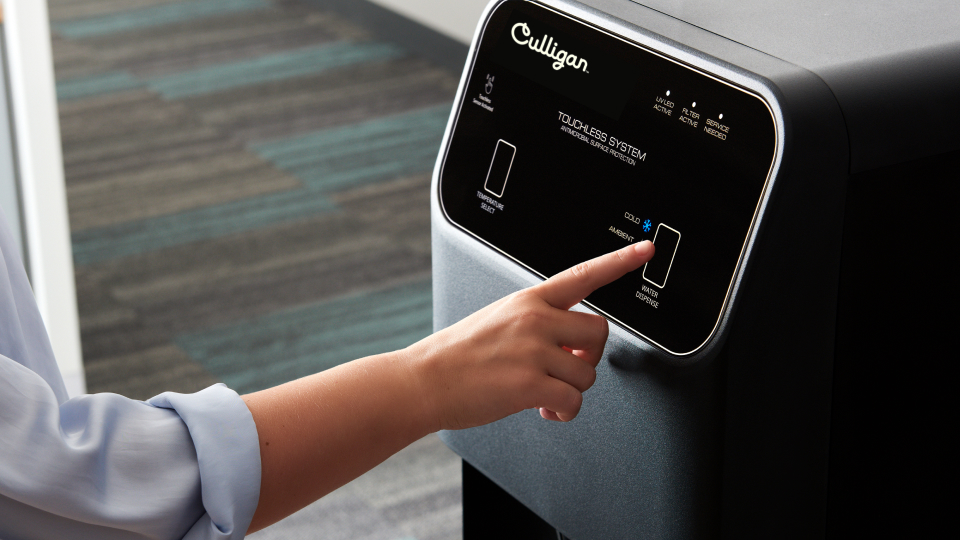
Bottomless bubbles with built-in filtration for your modern workplace.
Better water makes better coffee. Give your people great-tasting coffee from best-in-class brewers.
Today, Dallas sources water from five area reservoirs: Lake Ray Hubbard, Lake Lewisville, Lake Grapevine, Lake Ray Roberts, and Lake Tawakoni. Fort Worth purchases raw river or lake water from Tarrant Regional Water District, one of the largest water suppliers in Texas. The Dallas-Fort Worth water distribution system represents one of the largest in the United States, consisting of 4,600 miles of pipes. Like many cities, Dallas-Fort Worth originally used cast iron pipes to deliver water, which are prone to corrosion and toxic contamination.
Dallas Water Supply uses chemical treatment, settling, filtering, and disinfection to treat drinking water. The regional government continues to replace old service lines. As of the recent Fort Worth Water Quality Report, the city has replaced 1,177 of the lead pipes with the goal of replacing all city-side lead service lines by the end of 2021. The recent Dallas Water Quality Report notes that, although the water treatment plants meet state and federal demands, old plumbing may still compromise water with dangerous toxins such as lead. Old water pipes also succumb to main breaks, especially during cold weather. This made national headlines during the winter storm crisis in February 2021, in which power outages and freezing temperatures caused pipes to burst, disrupting regional water supply for millions of residents.
In 1850, Browder’s Springs provided fresh water to the young Dallas-Fort Worth region. Back then, early settlers simply used the Trinity River to dispose of waste. It wasn’t long until the West Fork of the Trinity River, flowing from Fort Worth, became filthy with packinghouse and domestic wastes. Leaders recognized the need to improve Dallas-Fort Worth water quality.
They turned to Trinity River’s Elm Fork, a promising water source, where city planners built a dam and pumping station in the mid-1890s. Although cleaner, the Elm Fork was prone to droughts and flooding. To further innovate, city planners constructed a series of manmade lakes to store the overflow from stormwater and help stem possible droughts.
Talk to an Dallas Culligan Quench water expert to find the best water solution for your space.
See how our bottleless water coolers compare.
Backed by 85 years of Culligan expertise, Culligan Quench has focused exclusively on providing businesses with the highest quality filtered water. This commitment to doing one thing well has made us the trusted water authority for over 75% of the Fortune 500. We offer the best bottleless water coolers, ice machines, sparkling water dispensers, and coffee brewers to fit any workplace. No matter your location, company size, or industry, we have a filtered water solution that is right for you
Play videoProudly providing businesses with clean, filtered drinking water in the greater Dallas Metro Area.
| Mon: | 8 AM – 8PM |
| Tues: | 8 AM – 8PM |
| Wed: | 8 AM – 8PM |
| Thur: | 8 AM – 8PM |
| Fri: | 8 AM – 8PM |
| Sat: | Closed |
| Sun: | Closed |
Your local Culligan Quench team in Dallas knows the area’s unique water quality. Schedule a quick call with one of our water experts, and we’ll connect you with personalized service tailored specifically to your zip code.
Manager, Sales (Southwest)
Vice President Service (West)
Senior Vice President, Care and Field Service
Vice President, Operations
Yes, Dallas tap water meets or exceeds all state and federal drinking water standards as tested by Dallas Water Utilities. However, “meets standards” doesn’t always mean “free of all contaminants.” These standards set maximum allowable limits for certain substances, and trace amounts of minerals, disinfectant by-products, and other contaminants may still be present.
Many businesses still choose additional filtration for improved taste, odor, and peace of mind. Culligan Quench offers several point-of-use drinking water filtration systems for workplaces and public spaces that reduce contaminants like PFAS, chlorine, nitrates, and more.
Dallas uses chlorine and chloramine to disinfect water and keep it safe as it travels through the distribution system. During seasonal “chlorine burns,” the city temporarily switches to free chlorine, which can make the taste or smell stronger.
To address chlorine taste or odor in your workplace drinking water, Culligan Quench offers a 5-step filtration solution called quenchWATER+, which includes a sediment filter, a pre-carbon filter, a reverse osmosis filter, a mineral add-back filter, and a polishing filter. The result is mineral-infused, electrolyte-enhanced water free from chlorine taste and odor.
While Dallas tap water is considered safe to drink by regulatory standards, independent analyses (like those from the Environmental Working Group) have identified trace levels of:
To reduce exposure to these contaminants in your business’s drinking water, consider a bottleless water cooler that connects to your building’s existing waterlines and filters water on-site.
Over 120,000 companies, big and small, trust Culligan Quench for cleaner, safer, and great-tasting water.
Ready to upgrade
your water?Get matched with the best water, ice, sparkling water or coffee machine for your workplace.
Take our quiz