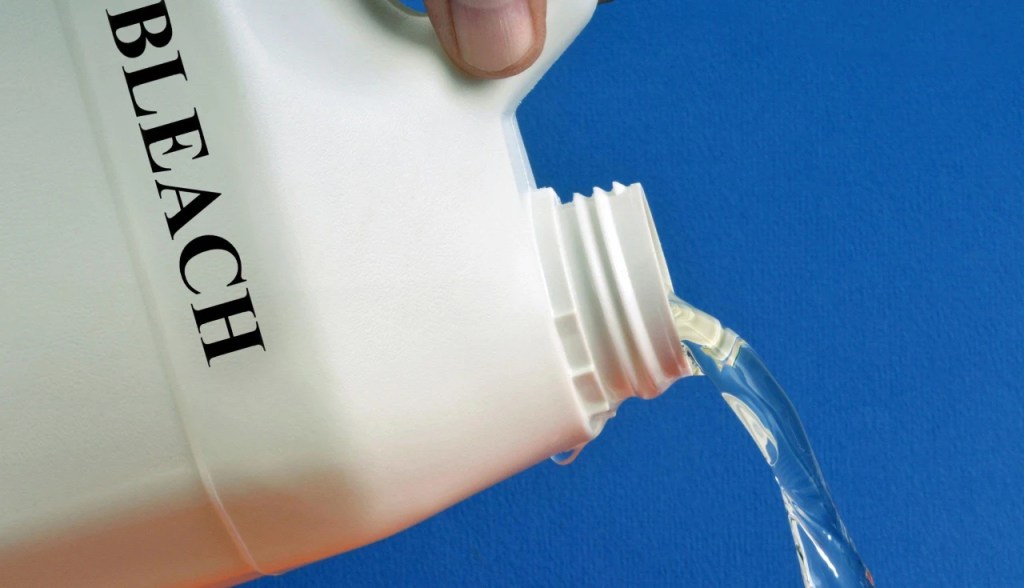
Water problems
Why Does My Water Smell Like Bleach?
Updated:

Authored by
Elizabeth Smith
Elizabeth Smith is a seasoned writer with a background in science and technology, now focused on workplace wellness, sustainability, and smart business solutions. With more than a decade of experience writing for universities and private companies in the engineering and tech sectors, she brings a research-driven approach to every topic.
Key Takeaways
Why your water smells like bleach and how to address it.
While the smell of bleach from your tap water can be unpleasant, it’s often harmless at regulated levels. Understanding why it happens, when it’s a concern, and how to reduce it can help you feel more confident about your drinking water.
- Chlorine is intentionally added to tap water to disinfect it, and even small amounts can produce a noticeable bleach-like odor.
- Stronger smells often occur due to location or timing, such as living close to a treatment plant or after water has sat in pipes overnight.
- Water that smells like bleach is usually safe to drink, but high or persistent levels may cause irritation, bad taste, or stomach discomfort.
- Simple solutions like aeration, boiling, or filtration—especially carbon or reverse osmosis systems—can effectively reduce chlorine odor and related byproducts like THMs.
Summary: A bleach-like smell in tap water is typically caused by chlorine used for disinfection, and while it’s usually safe at regulated levels, the odor can be reduced with simple methods like running the tap, aeration, boiling, or filtration.
Public water systems add chlorine in tap water to kill bacteria, viruses and other pathogens. A residual amount of chlorine remains to protect the water as it travels through pipes. Even a small amount can create a noticeable chlorine smell in water, leading many to ask why their tap water smells like bleach.
Quick facts about chlorine in tap water
Understanding the basics of water treatment can help put your mind at ease about that bleachy smell:
- Chlorine in tap water is mandated by the Environmental Protection Agency’s (EPA) drinking water regulations.
- The CDC requires chlorine levels to be detectable but recommends they stay below 4 mg/L.
- Most people can detect a chlorine smell at levels as low as 1 mg/L.
- While low levels are generally safe, high concentrations can cause skin or eye irritation.
- Simple methods like aeration or filtration can effectively remove the odor.
What causes the chlorine smell?
Water smells like bleach when the chlorine dose is higher than usual. If your home is located close to the water treatment plant, you might notice a stronger scent because the chlorine hasn’t had time to dissipate. Additionally, if the smell of bleach or chlorine is particularly strong, it could mean your local water supplier sends water over a long distance. In these cases, they add more chlorine to preserve water quality over the long trip.
What does chlorine gas smell like?
Chlorine gas has a sharp, irritating odor similar to bleach but much more intense and suffocating. While the chlorine smell from your tap comes from dissolved chlorine compounds, true chlorine gas is a respiratory irritant. If you smell an overwhelming chemical odor that makes it hard to breathe, leave the area immediately. However, the scent coming from your faucet is almost always the dissolved liquid form used for cleaning, not a dangerous gas leak.
Is it safe to drink water that smells like bleach?
In most cases, water that smells like bleach is still safe to drink, as the odor is a sign that the chlorine has effectively done its job. However, a strong or persistent odor could indicate an overabundance of chlorine. High chlorine levels in drinking water can potentially lead to:
- Bad taste and odor. High levels of chlorine can result in a strong bleach-like taste. What does bleach taste like? It typically has a chemical, medicinal or metallic flavor.
- Irritation. Chlorine can irritate the eyes, nose and throat. It can cause dry skin or potentially worsen breathing issues like asthma.
- Stomach problems. Drinking excessive chlorine may lead to temporary stomach cramps or nausea.
What are trihalomethanes (THMs)?
Chlorine cleans water, but when it mixes with natural organic matter, it forms harmful byproducts such as haloacetic acids (HAAs) and trihalomethanes (THMs). Long-term exposure to high levels of THMs may be linked to adverse health effects. Fortunately, advanced filtration systems can reduce these compounds, giving you cleaner, safer water without the worry.
What should you do if your tap water smells like bleach?
If your water smells like chlorine and you’re concerned about the quality of your supply, take these steps to diagnose the issue:
- Run the tap. If the water has been sitting in your pipes, the chlorine smell can concentrate. Run the cold tap for 1 to 2 minutes to bring in fresh water from the main line.
- Contact your local utility company. You can reach out to your utility provider to ask about the current chlorine levels in your area. They can tell you if they’re currently shocking the system or if there are known issues.
- Test your water. Home water testing kits are available to verify if the levels are within the EPA’s recommended range.
Tips on how to remove the chlorine smell from water
You can’t control how much chlorine the city adds, but you can minimize its presence in your glass. Here are effective ways to fix it when why does my water smell like chlorine becomes a daily question:
- Chill and aerate. Fill a pitcher and let it sit open in the refrigerator for 24 hours. This allows the chlorine to evaporate naturally into the air. Don’t drink water that has sat for longer than 24 hours to avoid bacterial growth.
- Boil your water. Boiling your water for 15 to 20 minutes creates heat and aeration that forces the chlorine to evaporate, removing both the odor and taste.
- Add Vitamin C. A small amount of vitamin C neutralizes chlorine instantly.
- Freeze the water. Freezing water can help separate the chlorine gas, allowing it to escape as the ice freezes or melts.
Drinking cleaner water
For peace of mind with every glass, a dedicated water filtration system is the most effective solution:
- Carbon filtration. Activated carbon filters are highly effective at adsorbing chlorine, removing the bleach smell and chemical taste while leaving beneficial minerals.
- Reverse osmosis. For the highest purity, reverse osmosis systems force water through a semipermeable membrane. The process reduces chlorine, THMs, lead and other dissolved solids that standard filters might miss.
A bottleless water cooler from Culligan Quench utilizes these advanced technologies to provide a limitless supply of fresh, great-tasting water.
Authored by
Elizabeth Smith
Elizabeth Smith is a seasoned writer with a background in science and technology, now focused on workplace wellness, sustainability, and smart business solutions. With more than a decade of experience writing for universities and private companies in the engineering and tech sectors, she brings a research-driven approach to every topic.

Reviewed by
Cari Dienstman
Cari Dienstman is the Senior Website & Content Manager at Culligan Quench, with over six years of experience creating content focused on point-of-use water filtration. She holds a master’s degree in Digital Marketing from Brandeis University and a bachelor’s degree in Journalism from Temple University.
Frequently asked questions
Why does my water smell like bleach in the morning?
Your water may smell like bleach in the morning because the water has been sitting in the pipes overnight. As the water sits, chlorine stays concentrated. Running the tap for a minute or two usually flushes out the old water.
Does boiling water remove chlorine?
Yes, boiling water is an effective way to remove chlorine. Boiling water for about 15 to 20 minutes creates heat and bubbles that cause the chlorine to evaporate.
Is it safe to shower if my water smells like bleach?
It is generally safe to shower if your water smells like bleach, provided the chlorine levels are within EPA limits. However, hot showers can turn chlorine into steam, which may irritate sensitive skin.
How do I know if there is too much chlorine in my water?
You can detect excess chlorine if the smell is very strong and lasts a long time or if the water has a strong metallic taste. For an exact reading, use a home water test kit.