Sustainability
9 States with Droughts or Water Shortages in the U.S.
Updated:

Authored by
Elizabeth Smith
Elizabeth Smith is a seasoned writer with a background in science and technology, now focused on workplace wellness, sustainability, and smart business solutions. With more than a decade of experience writing for universities and private companies in the engineering and tech sectors, she brings a research-driven approach to every topic.
Key Takeaways
Several U.S. states are facing severe water shortages, increasing the need for conservation and smarter water use.
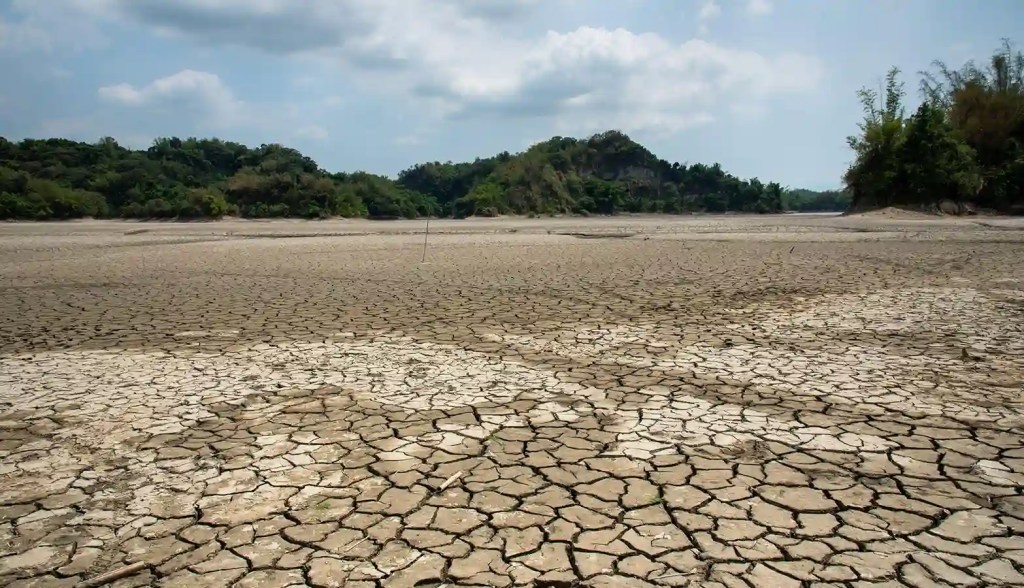
Water scarcity isn’t just a global concern. Many U.S. states are already struggling with limited water supplies due to drought, overuse, and climate pressures, making workplace water conservation a practical part of broader sustainability efforts.
- Colorado’s chronic drought challenges: Water levels in the Colorado River Basin and key reservoirs have hit historic lows, intensifying scarcity issues.
- California’s ongoing arid conditions: Large portions of the state continue to face drought, groundwater depletion, and rising temperatures that exacerbate water shortages.
- Desert and drought impacts in Nevada and New Mexico: Natural arid climates and inconsistent precipitation contribute to ongoing water scarcity in these Southwestern states.
- Drought stress in Utah and Arizona: Reduced snowpack, high temperatures, and declining river supplies are straining water resources for communities and industries.
.
Summary: Water scarcity is becoming an increasingly serious issue across the United States, driven by climate change, aging infrastructure, high demand, and groundwater depletion, putting several states at risk of severe shortages and drought. By minimizing water waste and improving sustainability efforts at work, organizations can help protect long‑term water resources while reducing environmental impact and supporting healthier communities.
Understand how water scarcity is becoming a serious issue in parts of the United States, which states are facing the greatest water shortages and why minimizing water waste and improving sustainability at work matters for long-term water resource health.
Water covers 70% of our planet, so it’s easy to assume there’s enough to go around. Unfortunately, that’s not the case. According to National Geographic, less than 3% of the world’s water resources are freshwater, and of that already minuscule percentage, only 1.2% can be used as drinking water. Not to mention, sources of fresh drinking water are becoming increasingly scarce.
Read on to learn more about water shortages, their repercussions, and strategies to boost your workplace water sustainability efforts moving forward.
What is a water shortage?
A shortage of water, also known as water scarcity, is a lack of access to safe water for drinking and basic hygiene. Shortages make water more expensive and increase the risk of waterborne illnesses.
Physical water scarcity
Physical scarcity occurs when the demand for water exceeds a region’s natural supply. This type of scarcity typically occurs in areas that receive little precipitation.
Economic water scarcity
Economic scarcity occurs when it’s too difficult or expensive to access water. For example, a region may have limited infrastructure, making it difficult to extract water from aquifers.
The consequences of water shortages
Water shortages threaten the ecosystem, increase the risk of health problems and create conflict over dwindling resources. The Boston College Center for Corporate Citizenship reports that water scarcity also generates $260 billion in economic losses each year.
What causes water shortages in the U.S.?
Water scarcity results from a combination of human activity and natural conditions.
1. Agriculture
The World Wildlife Fund estimates that 60% of all water used for agricultural purposes is wasted. Agricultural activities also generate water pollution.
2. Insufficient infrastructure
Some regions lack water infrastructure, making it difficult to collect, treat and distribute safe water. The United Nations estimates that 1.8 billion people still don’t have access to clean drinking water.
3. Climate change
Climate change has caused weather patterns to shift, putting glaciers and snowpacks at risk. Some regions are experiencing less precipitation, leading to drought conditions. Climate change has also been linked to an increase in the frequency and intensity of natural disasters, which can damage existing infrastructure.
4. High water demand
Humans use water for many activities, including swimming, landscaping, showering and cleaning. The increased demand for water makes it more likely that a region will outpace its natural supply.
5. Poor distribution
In some areas, water-distribution systems are deteriorating. This occurs due to normal wear and tear, poor maintenance and corrosive conditions.
6. Groundwater depletion
Groundwater depletion is a long-term decline in the water level caused by sustained groundwater pumping. Depletion dries up wells, reduces the amount of water in lakes and streams, increases pumping costs and causes water quality to deteriorate.
Impact of water shortages
Reduced access to water can have the following effects:
- Sewage system failures
- Slower economic growth
- Difficulty performing basic hygiene tasks
- Destruction of environmental habitats
- Increased competition between users
The 6 states with water shortages
These are the top six states with water shortages as of 2026.
1. Colorado
Over the last 100 years, the Colorado River’s flows have declined by 20%, according to The Nature Conservancy. Additionally, Lake Mead’s elevation has declined by 160 feet since 2000, leaving parts of it dry. Lake Mead and the Colorado River supply several states, so the long-term drought has necessitated water restrictions in some areas. Water scarcity in Colorado is a result of disappearing snowpacks, limited precipitation and increased demand.
2. California
As of March 2026, drought conditions in California have improved, but the U.S. Drought Monitor still shows abnormally dry conditions in parts of the state. The Golden State is one of the country’s top agricultural producers, so the water demand is extremely high. Low precipitation, warming temperatures and limited snowpack all contribute to drought conditions.
3. Nevada
Nevada gets a significant percentage of its water from the Colorado River via Lake Mead. The state is also extremely dry. According to the U.S. Drought Monitor, several areas of Nevada have a drought intensity of D2, indicating severe drought.
4. Arizona
In Arizona, more than 6% of the state has a D2 drought intensity classification. Snowfall in January and February 2026 helped ease the D3 conditions in Cochise, Santa Cruz, Pinal and a few other areas, but the state is still grappling with water scarcity. Arizona has a dry climate, and water evaporates quickly, making water scarcity worse.
5. New Mexico
New Mexico has several water sources, including the Rio Grande River, the Santa Fe Group Aquifer and the Pecos River. Unfortunately, these sources have been depleted by increased demand. Limited precipitation and disappearing snowpack only exacerbate the state’s water issues.
6. Utah
In the past 25 years, Utah has had drought conditions 88% of the time, making it one of the top states with water issues. Rising temperatures, melting snowpack and a lack of precipitation all contribute to water scarcity in the Beehive State. Lake Powell is also drying out, increasing the risk of water shortages.
3 states with water issues that are in danger of a shortage or drought
As climate change worsens, the number of states with droughts or water shortages is likely to increase. These states are at risk.
Texas
In Texas, more than 18 million residents are at risk of being affected by a drought, according to the National Integrated Drought Information System. Parts of the state have D3 or D4 drought classifications, indicating extreme drought to exceptional drought.
Florida
Florida is known for its humidity, so many people are surprised to learn that some parts of the state are at risk of drought. Approximately half of the Sunshine State has extreme drought conditions, according to the U.S. Drought Monitor. A lack of water is hurting the citrus industry and forcing some municipalities to implement burn bans.
Arkansas
The National Integrated Drought Information System indicates that 2.9 million Arkansas residents live in drought-affected areas as of 2026. Some parts of the state have a D4 classification, indicating exceptional drought conditions. Additionally, just over 33% of Arkansas is experiencing an extreme drought.
Understanding drought stages & water restrictions
The U.S. Drought Monitor uses five stages to indicate the severity of drought conditions:
| Stage | Condition |
| D0 | Abnormally dry |
| D1 | Moderate drought |
| D2 | Severe drought |
| D3 | Extreme drought |
| D4 | Exceptional drought |
At higher stages, many communities implement water restrictions to prevent the problem from worsening. For example, a city might forbid residents from watering their lawns or require residents to irrigate at night to prevent water evaporation.
Solutions for a drought & promoting sustainability at work
With these issues in mind, it’s critical to note that relying on bottled water sources and recurring delivery is likely doing more harm to the environment than you realize. Some of these environmental costs include plastic waste and hefty CO2 emissions from delivery trucks. But, in terms of water scarcity, these traditional systems are also inefficient and wasteful. It takes two to five gallon jugs of water to manufacture a plastic jug, including the steps to extract the petroleum, make the plastic and form the bottle.
Instead, your workplace can provide clean drinking water and support sustainability by installing a bottleless water cooler from Culligan Quench. Our water‑as‑a‑service solutions deliver filtered water through a wide range of bottleless systems, helping you keep employees and customers refreshed, healthy, and hydrated throughout the day.
Designed with innovation and environmental responsibility in mind, Culligan Quench bottleless water dispensers use advanced filtration technology to produce great‑tasting, clean water in a safe and sustainable way. Our equipment is manufactured in an ISO‑certified facility that operates efficiently to reduce waste and limit the environmental footprint of our water solutions.
As concerns about water scarcity and shortages continue to grow nationwide, a bottleless water dispenser allows your workplace to take meaningful steps toward sustainability. Ready to make the switch? Request a free quote today.
Authored by
Elizabeth Smith
Elizabeth Smith is a seasoned writer with a background in science and technology, now focused on workplace wellness, sustainability, and smart business solutions. With more than a decade of experience writing for universities and private companies in the engineering and tech sectors, she brings a research-driven approach to every topic.

Reviewed by
Cari Dienstman
Cari Dienstman is the Senior Website & Content Manager at Culligan Quench, with over six years of experience creating content focused on point-of-use water filtration. She holds a master’s degree in Digital Marketing from Brandeis University and a bachelor’s degree in Journalism from Temple University.