The real cost of bottled water.
See how our bottleless water coolers compare.
Areas served
Offer a more sustainable solution for cleaner, better-tasting water on demand.
Fast, efficient, and reliable ice and water machines with advanced filtration.
Bottomless bubbles with built-in filtration for your modern workplace.
Better water makes better coffee. Give your people great-tasting coffee from best-in-class brewers.
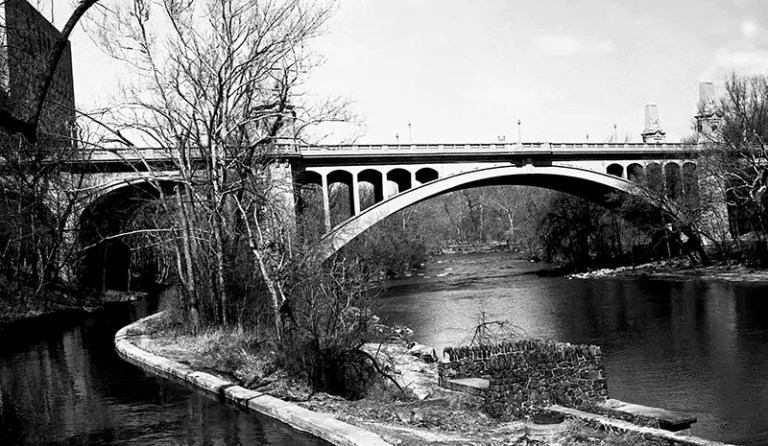
Nowadays, the City of Wilmington’s main source of water is Brandywine Creek. The creek has over 500 miles of streams that drain into the Delaware River. As the water travels, agriculture, wildlife, stormwater runoff, and industry can diminish its Delaware water quality.
Over the years, there have been several major events that have had an influence on Wilmington’s water quality. These include the construction of new treatment plants, the implementation of more stringent standards for water safety, and the discovery of contaminants in wells.
Wilmington’s tap water is susceptible to many sources of contamination. Common contaminants like eutrophication, heavy metals, and chemicals such as fertilizers and pesticides can leach into the water supply from agricultural runoff or industrial waste. In addition, bacteria and viruses can enter the water supply through sewage systems or improperly treated wastewater. To ensure safe drinking water for residents of Wilmington, DNREC monitors Wilmington Water Quality on an ongoing basis.
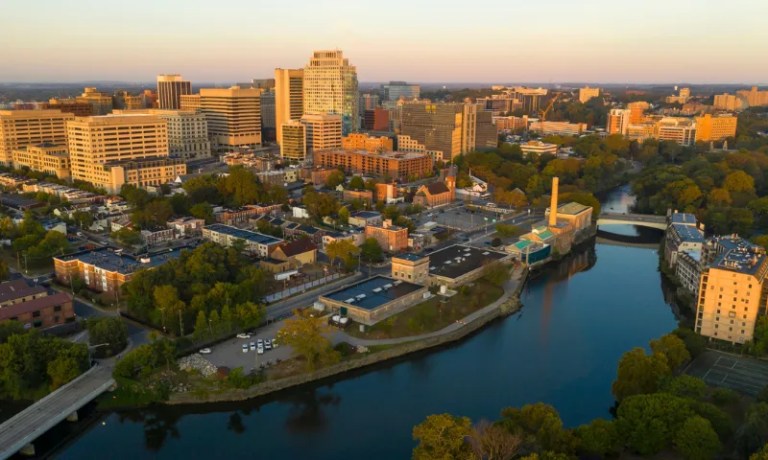
With a population of over 70,000, the city of Wilmington in Delaware is the largest city in the state. The city is known for its rich history and its position as a major port city.
Wilmington’s waterworks date back to 1803, when the Wilmington Spring Water Company provided the first municipal water supply. In 1824, iron pipes were installed, and water service was available to individual houses. As the project continued, a water-driven pump and reservoir were constructed in 1827.
See how our bottleless water coolers compare.
Talk to an Wilmington Culligan Quench water expert to find the best water solution for your space.
Backed by 85 years of Culligan expertise, Culligan Quench has focused exclusively on providing businesses with the highest quality filtered water. This commitment to doing one thing well has made us the trusted water authority for over 75% of the Fortune 500. We offer the best bottleless water coolers, ice machines, sparkling water dispensers, and coffee brewers to fit any workplace. No matter your location, company size, or industry, we have a filtered water solution that is right for you
Play videoProudly providing businesses with clean, filtered drinking water in the greater Wilmington Metro Area.
| Mon: | 8 AM – 8PM |
| Tues: | 8 AM – 8PM |
| Wed: | 8 AM – 8PM |
| Thur: | 8 AM – 8PM |
| Fri: | 8 AM – 8PM |
| Sat: | Closed |
| Sun: | Closed |
Yes, Wilmington’s tap water is generally safe to drink and meets federal and state water quality standards. The city’s water utility, Cape Fear Public Utility Authority (CFPUA), provides annual water quality reports to inform residents about the safety and quality of their drinking water.
Although tap water meets safety standards, many people choose extra filtration for better taste or added peace of mind. A Culligan Quench water system helps reduce trace contaminants, making water cleaner, safer, and overall more refreshing every day.
Some areas near Wilmington have detected trace levels of PFAS (per- and polyfluoroalkyl substances), sometimes referred to as “forever chemicals.” These substances are persistent in the environment and can accumulate over time. While levels are monitored and usually below advisory limits, using a Culligan Quench filtration system, specifically designed to reduce contaminants like PFAS, offering extra safety to drink every day.
Over 120,000 companies, big and small, trust Culligan Quench for cleaner, safer, and great-tasting water.
Ready to upgrade
your water?Get matched with the best water, ice, sparkling water or coffee machine for your workplace.
Take our quiz