Trusted Washington D.C.
Water Solutions
Areas served
- District of Columbia
- Arlington County
- Fairfax County
- Loudoun County
- Prince William County
- Stafford County
- Fauquier County
- Montgomery County
- Prince George’s County
- Howard County
- Anne Arundel County
- Charles County
- Calvert County
- Frederick County
Bottleless dispensers fit for any business.
Bottleless water coolers
Offer a more sustainable solution for cleaner, better-tasting water on demand.
Ice
machines
Fast, efficient, and reliable ice and water machines with advanced filtration.
Sparkling water dispensers
Bottomless bubbles with built-in filtration for your modern workplace.
Filtered coffee brewers
Better water makes better coffee. Give your people great-tasting coffee from best-in-class brewers.
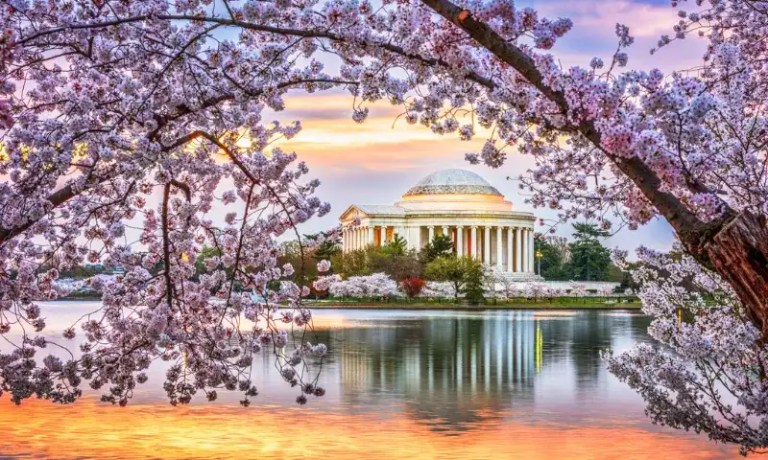
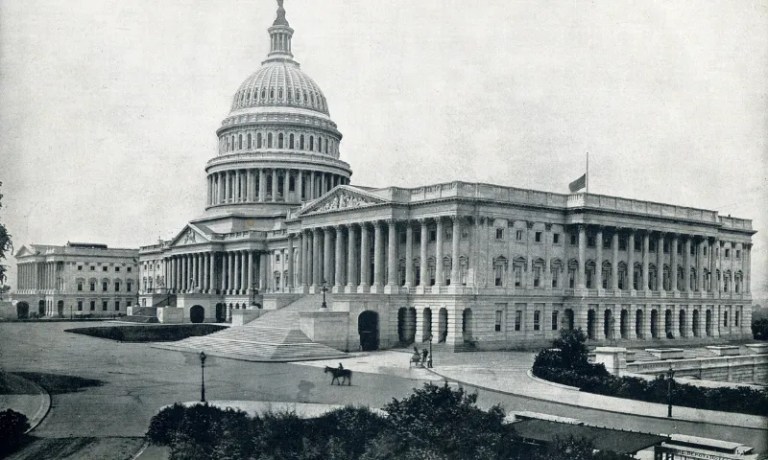
Washington DC water quality throughout the years
Today, Washington DC tap water comes from the Potomac River. The Washington Aqueduct withdraws 140 million gallons of water each day from intakes at Great Falls and Little Falls. Like many older cities, much of the water infrastructure still consists of cast iron pipes, a plumbing standard until the mid-1960s. In the early 2000s, DC treatment facilities replaced chlorine with chloramine, which causes pipe corrosion and lead leaching into the water.
Washington DC began adding corrosion inhibiting chemicals, like orthophosphate, to prevent leaching. However, according to a recent Washington DC Water Quality report, the city continues to add chloramine. Clusters of deterioration and bacteria can break off and travel with your drinking water to your faucet, resulting in cloudiness, brown water, and off-taste and odor.
When the first settlers arrived in Washington DC, they had ample water sources, drawing from local springs like City Spring, Caffery’s Spring, Franklin Park (now Judiciary Square), and Smith Spring (now the McMillan Reservoir).
The earliest documentation of water infrastructure dates from 1808. Residents living in the 600 block of Pennsylvania Avenue NW paid to “convey” water from the city spring to their neighborhood using wooden pipes. A year later, city planners appropriated $300 of public funds to build pipes from Caffery’s Spring to the northwestern Pennsylvania Avenue area. This system extended each year until 1850.
When a congressionally funded engineering study identified the Potomac River as the future of Washington DC drinking water, the US Army Corps of Engineers designed and built the structures and facilities that became the Washington Aqueduct.
An influx of new residents during WWII put a strain on the water system, leading the District Engineer, the U.S. Engineering Office, and the Engineer Commissioner of DC to submit a report to Congress with plans to construct, improve, and add on to the existing water system. This report has guided the modifications of the Washington DC drinking water system ever since.
Lower your water costs
Culligan Quench bottleless water coolers can hydrate your entire staff while saving you money. See how much you can save by going bottleless.
How did we calculate this estimate? Learn about our methodology, assumptions, and data sources.
| Bottleless water cooler rental | Jug delivery | Bottled water delivery | Premium bottled water |
|---|---|---|---|
| $0 | $0 | $0 | $0 |
Recommended products
Use the calculator and we’ll recommend a few products here that will fit your needs!
Get your free estimate today.
Talk to an Washington DC Culligan Quench water expert to find the best water solution for your space.
Culligan Quench filtration solutions.
Backed by 85 years of Culligan expertise, Culligan Quench has focused exclusively on providing businesses with the highest quality filtered water. This commitment to doing one thing well has made us the trusted water authority for over 75% of the Fortune 500. We offer the best bottleless water coolers, ice machines, sparkling water dispensers, and coffee brewers to fit any workplace. No matter your location, company size, or industry, we have a filtered water solution that is right for you
Play videoCulligan Quench of Washington DC
Proudly providing businesses with clean, filtered drinking water in the greater Washington DC Metro Area.
| Mon: | 8 AM – 8PM |
| Tues: | 8 AM – 8PM |
| Wed: | 8 AM – 8PM |
| Thur: | 8 AM – 8PM |
| Fri: | 8 AM – 8PM |
| Sat: | Closed |
| Sun: | Closed |
Frequently asked questions
Is Washington, D.C., tap water safe to drink?
DC Water, the city’s water utility, provides tap water that meets the drinking water standards established by the U.S. Environmental Protection Agency (EPA). DC Water tests the water for quality thousands of times every year. It also disinfects the water supply to remove bacteria and other contaminants.
The pipes in individual homes and office buildings could impact the safety of tap water. Older Washington, D.C., buildings may still use aging lead and iron pipes that could introduce harmful particles into your drinking water. A bottleless water cooler is one way to filter out these substances and deliver safe, fresh-tasting water.
Does Washington, D.C., have hard water?
On average, the tap water in Washington, D.C., is moderately hard. However, the hardness level depends on where you’re located and the time of year.
The moderate mineral content in Washington, D.C., tap water can leave a residue on faucets and appliances. You might also notice mineral buildup affects the function of appliances, such as coffee makers, dishwashers and ice machines. To extend the lifetime of each device, make sure to clean and inspect it regularly. Or reduce maintenance costs by switching to ice makers and other appliances with built-in water filters.
Water you can trust. From experts you can trust.
Over 120,000 companies, big and small, trust Culligan Quench for cleaner, safer, and great-tasting water.







"We love the systems and service you provide at Culligan Quench.
We were just as pleased with Quench and their employees - 2nd go round. Culligan Quench is truly a good company to work with.""Very quick and informative service!"
"Water is great