Premium Denver water company
Areas served
- Adams County
- Arapahoe County
- Boulder County
- Clear Creek County
- Denver County
- Douglas County
- Elbert County
- Gilpin County
- Grand County
- Jefferson County
- Larimer County
- Weld County
- Park County
- Summit County
- Clear Creek County
- Chaffee County
- Fremont County
- Jackson County
Bottleless dispensers fit for any business.
Bottleless water coolers
Offer a more sustainable solution for cleaner, better-tasting water on demand.
Ice
machines
Fast, efficient, and reliable ice and water machines with advanced filtration.
Sparkling water dispensers
Bottomless bubbles with built-in filtration for your modern workplace.
Filtered coffee brewers
Better water makes better coffee. Give your people great-tasting coffee from best-in-class brewers.
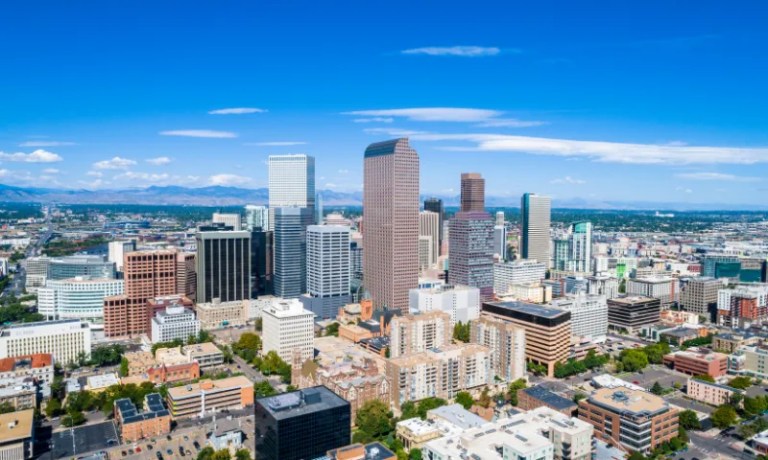
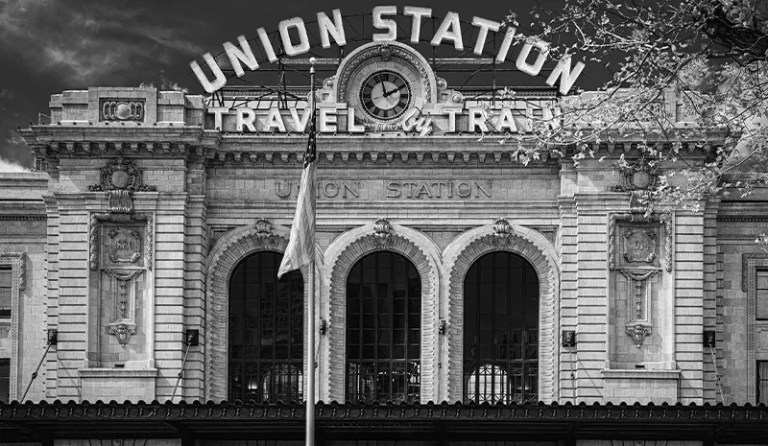
Denver water quality throughout the years
The current Denver water policy demonstrates commitment to innovation. Today, Denver Water is a public agency funded by water rates and tap fees, instead of taxes, that operates independently from the city government. The agency manages 3,100 square miles and 3,000 miles of pipelines serving 1.5 million people.
Denver, a semi-arid metropolitan area, receives about 15 inches of precipitation annually. Along with the South Platte River, Denver drinking water originates from several sources, including Blue River, Williams Fork River, and the South Boulder Creek, Ralston Creek, Bear Creek, and Fraser River watersheds. While nearly 75% of the area’s water is located on the western side of the state, about 75% of the population lives on the east side, making distribution and conservation a top priority. The Cheesman and Williams Fork reservoirs, along with Eleven Mile Canyon Dam and the Moffat Water Tunnel, carry surface water across both sides of the continental divide.
According to the recent Denver Water Quality report, surface water sources carry risk of contamination from naturally occurring minerals as well as discharge from petroleum refineries, agricultural runoff, herbicide, and leaching from septic tanks. Denver Water relies on a sophisticated 5-step treatment system in plants throughout the area. However, Denver tap water can sometimes carry an “earthy” taste from naturally occurring algae or other organic material. In addition, homes built before 1951 may contain service lines that contaminate Denver tap water with lead.
Settlers who braved the long trek across the Rocky Mountains sought refuge on the shores of the South Platte River and Cherry Creek at Denver. Like the Native Americans who lived along the riverbanks, residents today can still trace Denver tap water to these bodies of water. Early sources of Denver drinking water came from surface wells and buckets, but soon gave way to more sophisticated water systems. Completed in 1867, City Ditch became the city’s first water system and turned Denver’s dusty plains into a thriving city. Denver also stands out as the first major US city to filtrate its water in 1884 (using a system of wood stave pipes) as well as the first to treat its water with chlorine, starting in 1911.
The Dust Bowl proved that water storage across the Midwest was just as vital as water management. Completed during one of the worst droughts in U.S. history, Eleven Mile Canyon Dam was the largest dam in the Denver system, and the Moffat Water Tunnel Diversion Project brought water across the continental divide.
The Cheesman Reservoir, completed in 1905, ended Denver’s reliance on in-town storage, wells, and streamflow. Standing tall at 221 feet high, Cheesman was the world’s tallest reservoir in its day. Later, The Williams Fork Reservoir carried Denver into the future after its expansion into a hydroelectric generating plant, still in operation today.
Lower your water costs
Culligan Quench bottleless water coolers can hydrate your entire staff while saving you money. See how much you can save by going bottleless.
How did we calculate this estimate? Learn about our methodology, assumptions, and data sources.
| Bottleless water cooler rental | Jug delivery | Bottled water delivery | Premium bottled water |
|---|---|---|---|
| $0 | $0 | $0 | $0 |
Recommended Products
Use the calculator and we’ll recommend a few products here that will fit your needs!
Get your free estimate today.
Talk to an Denver Culligan Quench water expert to find the best water solution for your space.
Culligan Quench filtration solutions.
Backed by 85 years of Culligan expertise, Culligan Quench has focused exclusively on providing businesses with the highest quality filtered water. This commitment to doing one thing well has made us the trusted water authority for over 75% of the Fortune 500. We offer the best bottleless water coolers, ice machines, sparkling water dispensers, and coffee brewers to fit any workplace. No matter your location, company size, or industry, we have a filtered water solution that is right for you
Play videoCulligan Quench of Denver
Proudly providing businesses with clean, filtered drinking water in the greater Denver Metro Area.
| Mon: | 8 AM – 8PM |
| Tues: | 8 AM – 8PM |
| Wed: | 8 AM – 8PM |
| Thur: | 8 AM – 8PM |
| Fri: | 8 AM – 8PM |
| Sat: | Closed |
| Sun: | Closed |
Meet our team
Your local Culligan Quench team in Denver knows the area’s unique water quality. Schedule a quick call with one of our water experts, and we’ll connect you with personalized service tailored specifically to your zip code.
Patrick White
Vice President, Sales (West)
Kevin Doherty
Vice President, Service
Chris Knox
Vice President, Operations
Chris Turano
Senior Vice President, Care and Field Service
Frequently asked questions.
Is Denver tap water safe to drink?
Denver Water uses advanced treatment techniques to provide the city’s residents with plenty of safe drinking water. Each year, the company collects around 63,000 samples to ensure consistency and quality at every tap. Still, contamination is possible, especially if you live or work in a building with older pipes prone to damage and corrosion.
Safeguard against accidental water contamination with a water cooler that has advanced filtration technology.
Does Denver have hard water?
Denver has soft to moderately hard water. Hardness levels shift throughout the year, with harder water surfacing in winter. That’s when reservoirs freeze, allowing for additional mineral absorption. Spring means lots of snowmelt, which dilutes mineral-rich groundwater. If you have a water softener, you may need it less once the weather warms.
If you’re concerned about drinking hard water, use a point-of-service water filtration setup to further refine water as you use it. These systems can remove everything from pesky perfluoroalkyl and polyfluoroalkyl substances (PFAS) to potentially harmful lead and microplastics.
Where does Denver get its water?
Much of the tap water consumed in Denver originates as rain or snow covering the mountainous landscape in and around the city. Denver has extensive water collection systems that save up rain and snowmelt to deliver drinkable water all year. The rest of the city’s drinking water comes from tributaries splitting off the nearby Colorado River.
Water you can trust. From experts you can trust.
Over 120,000 companies, big and small, trust Culligan Quench for cleaner, safer, and great-tasting water.