
Cooling the Workforce: Why Hydration Infrastructure Matters for Field Service Teams

Heat exposure is a growing operational risk for field service organizations, affecting not just worker safety but also productivity and cost. The data below highlights why hydration access should be treated as a core component of workforce strategy:
- Heat exposure significantly increases injury risk and drives ~28,000 workplace incidents annually, with field crews especially vulnerable.
- Dehydration impairs physical and cognitive performance, raising the likelihood of errors, injuries, and fatigue on the job.
- Productivity drops 10–30% in high heat, creating measurable operational and financial impact for large field teams.
- Scalable hydration infrastructure (cold water + ice access) is a low-friction way to improve safety outcomes while stabilizing costs and performance.
Summary: Field service workers face growing heat-related risks that directly impact safety, productivity, and operational costs, making hydration a critical business priority, not just a wellness initiative. Investing in reliable hydration infrastructure, including cold water and ice access, helps organizations reduce incidents, protect performance, and support workforce resilience.
Field service workers represent resilience in today’s workforce, serving as the backbone of many of our country’s essential industries. From restoring power and maintaining utilities to building infrastructure, installing telecommunications networks, and servicing critical systems, these professionals keep businesses running and communities connected every day.
The work they perform is physically demanding and often takes place in environments where heat exposure is unavoidable. Long hours outdoors, strenuous labor, and the use of protective equipment can place significant strain on the body, making proper hydration a critical factor in maintaining worker safety, focus, and performance.
Research indicates that workplace injury risk begins to increase when the heat index reaches approximately 85°F, with risk rising sharply at temperatures above 90°F.
Heat-related fatalities increased 77% between 2012 – 2023.
Why heat exposure is a growing threat to field service worker safety
Organizations that rely on field service teams understand the responsibility that comes with supporting these crews. Across industries such as construction, utilities, telecommunications, and HVAC, companies are continually investing in improved safety programs, training, and operational resources to ensure their workers have the tools and conditions needed to perform their jobs safely and effectively.
Recent workplace safety data highlights why these efforts are so important. Heat-related injuries are rising across the United States, with Construction workers represent 7% of the U.S. workforce but account for more than one-third of occupational heat-related fatalities. Across all industries, approximately 28,000 workplace injuries each year are linked to hot weather exposure.
| Dehydration Causes | Resulting Incidents |
| Increases cardiovascular strain | Falls and slips |
| Reduce physical endurance | Equipment operation errors |
| Reduce blood volume | Overexertion injuries |
| Slow reaction time and impaired judgement | Heat exhaustion or heat stroke |
Occupational research shows how dehydration contributes to workplace incidents
Forward-thinking organizations are increasingly recognizing that hydration access is not simply a wellness initiative, it is a foundational element of workforce safety and operational resilience. Ensuring reliable access to cold water and cooling resources helps field crews maintain hydration and manage heat exposure throughout demanding workdays. Lack of access to cold water can lead to consequences beyond worker health and safety.
Productivity loss
Heat exposure also affects workforce productivity. Studies indicate that 60% of construction workers experience productivity loss during heat exposure. Which means that work output may decline by 10–30% during high-temperature conditions. For field operations with large crews, these productivity losses can accumulate rapidly across peak summer months.
Workers’ compensation costs
Organizations may experience heat-related injuries frequently resulting in lost-time claims, the most expensive category of workers’ compensation cases. A single incident may result in $20,000–$40,000 in medical expenses and $30,000–$50,000 in indirect costs
Reducing heat-related incidents can improve an organization’s experience modification rate, potentially lowering insurance premiums over time.
Building reliable hydration infrastructure
Effective workplace heat-stress prevention programs emphasize consistent hydration access. To support field crews effectively, organizations must ensure that workers have access to cold drinking water, ice, and hydration supplies with portable cooling resources for remote job sites.
Providing these resources at scale can present logistical challenges, particularly for companies operating across multiple job sites or geographic regions. Implementing dependable hydration infrastructure like commercial ice machines and ice bagging systems allows organizations to provide consistent cooling resources across job sites. These systems simplify logistics, strengthen heat-stress prevention programs, and help ensure workers have access to the hydration support they need throughout the day.
Case Study: One Facility. One Smarter Hydration Solution
When a major aerospace manufacturer needed a consistent way to deliver cold water across its 450,000 sq. ft. Boulder facility, they turned to Culligan Quench.
Download for freeHow Culligan Quench supports workplace hydration
Culligan Quench is proud to partner with organizations that prioritize the wellbeing of their workforce. Our mission is to help companies support their crews while strengthening safety initiatives and operational performance, by providing integrated hydration and ice solutions designed to support organizations with field service operations.
Our offered technologies create a scalable hydration ecosystem that supports both field crews and facility-based employees while simplifying maintenance and service management.
The role of commercial ice machines and ice bagging systems
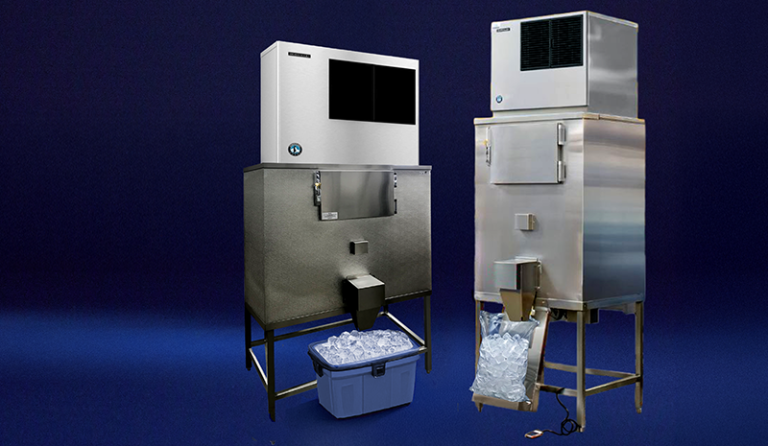
Culligan Quench commercial ice machines and ice bagging systems enable organizations to produce and distribute ice directly from their facilities, eliminating reliance on retail suppliers.
- Reliable Supply: Onsite ice production ensures consistent access to cooling resources during peak heat periods when retail ice availability may be limited.
- Operational Efficiency: Crews can collect ice at the start of their shifts without making additional stops or relying on third-party vendors.
- Cost Predictability: Producing ice internally can reduce recurring costs associated with purchasing bagged ice throughout the summer months.
- Support for Hydration Programs: Reliable ice access helps workers keep hydration beverages cold and maintain cooling packs used during rest breaks.
Let Culligan Quench support you
Heat exposure and dehydration are growing challenges for industries that rely on field service workers. These risks affect not only worker health but also safety performance, operational efficiency, and financial outcomes.
Research consistently demonstrates that dehydration contributes to workplace injuries, reduced productivity, and higher workers’ compensation costs. Addressing these risks requires organizations to treat hydration as a core component of workplace safety strategy.
Reliable hydration infrastructure, including commercial ice machines and ice bagging systems, provides organizations with the tools needed to support worker wellbeing while improving operational resilience.
To learn more about workplace hydration solutions, contact Culligan Quench to explore how our commercial ice and water systems can support your workforce.
Recommended Products
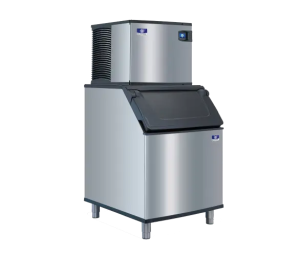
998 Commercial Bin Ice Machine
575 lbs daily ice production. 532 lbs ice storage.
 51+ Users
 Hot
Hot
 Cold
Cold
 Ambient
 Half-Dice Ice
 Touchless
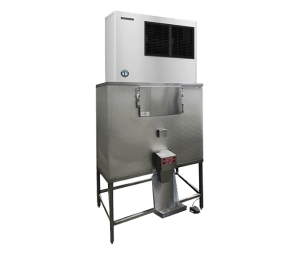
Air-Cooled Ice Bagger Series
Up to 1875 lbs daily ice production. Up to 900 lbs ice storage.
51+ Users
Hot
Cold
Ambient
Crescent Ice
Touchless
First month free
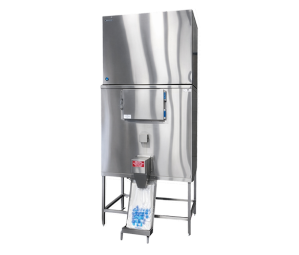
Remote-Condensed Ice Baggers Series
Up to 1933 lbs daily ice production. Up to 900 lbs ice storage.
51+ Users
Hot
Cold
Ambient
Crescent Ice
Touchless
First month free