
Electrolytes for Gyms: Cost, Convenience & Benefits

- Electrolytes and exercise go hand-in-hand. Balanced sodium, potassium, magnesium and calcium support fluid balance, nerve function and muscle performance.
- Identify a hydration solution: Choose a hydration solution based on the cost per effective dose, refill speed, inventory management requirements and potential for waste.
- Match dosing to conditions. Short, low-intensity sessions call for water or low-sodium options. Long, hot or high-intensity sessions may require higher sodium and carbohydrate content.
- Electrolyte tablets vs powder is a practical choice. Choose tablets for portability or powders for flexibility and value. Use point-of-use systems to deliver a consistent blend of isotonic fluids and natural electrolytes.
- Educate members on electrolytes vs. sports drinks. Offer sports drinks for members who need carbohydrates and electrolyte drinks for most daily training.
Summary: Electrolytes play a critical role in exercise performance by supporting hydration, muscle function and recovery, but not all hydration solutions are created equal. This guide explains how electrolytes and isotonic fluids work, why they matter in gym environments and how fitness facilities can deliver effective, consistent hydration without unnecessary cost or waste.
Electrolytes are crucial for gym performance, as they regulate fluid balance, affect heart rate stability and promote normal electrical activity across cells. When gym members sweat, they lose fluid and electrolytes, making proper replenishment necessary.
This guide breaks down electrolytes and exercise, the science behind isotonic fluids and natural electrolytes, how to assess value across formats and how to implement a practical, cost-efficient plan in your facility. You’ll also learn about the benefits of electrolyte drinks for gym environments.
Electrolytes and isotonic fluids: What they do and why they matter
Electrolytes are electrically charged minerals that help the body regulate some of its most important functions. During exercise, they support muscle contractions, maintain hydration and prevent issues, such as dizziness and cramping.
As exercise intensity increases, so does electrolyte loss. This is where electrolyte drinks for exercise become valuable. In certain conditions, these drinks help restore balance more effectively than plain water or sports drinks.
Common electrolytes and their sources include:
| Electrolytes | Sources |
| Sodium | Sports drinks, table salt and processed foods |
| Calcium | Dairy products and fortified foods |
| Potassium | Leafy greens, potatoes, bananas and dairy products |
| Magnesium | Whole grains, nuts and seeds |
Science of isotonic fluids and natural electrolytes
Isotonic fluids are formulated to match the natural salt concentration (plasma osmolality) in the human body. Under certain conditions, they’re absorbed faster than plain water, making them helpful during periods of moderate to intense exercise.
When properly formulated, natural electrolytes from mineral salts or whole-food sources can be highly effective. Providing optimized isotonic solutions to gym members supports better hydration and performance.
Benefits of electrolytes for gym-goers
Electrolytes have a big impact on how gym members feel during and after workouts, so hydration quality is important.
Key benefits of electrolyte drinks for exercise include:
| Key Benefit | Description |
| Enhanced performance | Proper balance supports strength and endurance. |
| Increased hydration | Electrolytes help the body use fluids more efficiently. |
| Faster recovery | Electrolyte replenishment can help prevent fatigue after exercise. |
| Reduced muscle cramps | Sodium and magnesium are necessary for proper muscle function, so electrolytes can help prevent muscle cramps. |
A cost analysis of electrolytes for gyms and fitness drinks
When choosing electrolyte drinks for gym environments, owners should consider the cost per serving, consistency and potential for waste.
Here’s how common options compare:
| Electrolyte options | Cost analysis |
| Pre-bottled sports drinks for electrolytes | These drinks have a high cost per unit and significant packaging waste. You also have to manage your inventory carefully. Purchased individually, pre-bottled sports drinks may cost $3 or more. When purchased in bulk, they cost around 90 cents per 20-ounce bottle. |
| Powders | Powders require preparation, but they offer flexible dosing and a lower cost per serving. A 10-pack costs around 20 to 50 cents per serving. |
| Tablets | Tablets are portable, but they cost about 35 cents to 80 cents each. They also come with limited customization options. |
Culligan Quench point-of-use systems make it easier for gym members to combine electrolytes and exercise. Gyms can control their formulations, maximize ingredient quality and reduce packaging waste.
Convenience of electrolyte supplements
When comparing electrolytes vs. sports drinks in a gym setting, convenience is a major consideration. Bottled sports drinks, powders and tablets are all easy to use. Tablets are the most portable option for individuals, but gyms can benefit from having centralized dispensing systems.
Culligan Quench simplifies the decision by offering rapid refill stations and metered mixes. This eliminates packaging waste, prevents electrolyte drinks from going out of stock and ensures a consistent experience for members.
Choosing the right electrolytes
When evaluating hydration solutions, consider these factors:
- Sugar content: Many traditional sports drinks for electrolytes contain high levels of sugar.
- Ingredient quality: Look for a balance of sodium, magnesium, calcium and potassium rather than high amounts of one mineral and trace amounts of others.
- Transparency: You should be able to easily determine the electrolyte content of each hydration solution.
- Flavor/palatability: Gym-goers want electrolytes that taste good.
Case Study: Family Fitness Center Switches to Culligan Quench
See how a non-profit fitness center kept 900 5-gallon jugs out of the environment by switching to Culligan Quench filtration systems.
Maximizing the benefits of electrolytes for the gym through proper use
Electrolyte drinks are different from clean energy drinks for gym routines. They contain minerals to support hydration, rather than caffeine to provide an energy boost.
Taking electrolytes at the right time offers these benefits:
- Before exercise: Electrolyte intake can support hydration throughout an entire workout.
- During exercise: Some gym-goers take electrolytes to replace what they lose during intense workouts.
- After exercise: Taking electrolytes after a workout can support recovery.
Gym owners may want to encourage members to avoid these common mistakes:
- Choosing high-sugar electrolyte drinks
- Ignoring electrolyte needs during long workouts
- Using inconsistent solutions
Electrolytes vs. sports drinks vs. water
Understanding electrolytes vs. sports drinks helps gyms provide better guidance to members. Water is ideal for short workouts of low to moderate intensity, and sports drinks are useful for high-intensity sessions that require carbohydrates as an energy source. Electrolyte drinks are best for maintaining hydration without excess sugar or calories.
How to implement electrolytes into your gym
- Install a point-of-use system: Install a point-of-use system to dispense isotonic fluids.
- Train staff: Train staff to answer common questions.
- Standardize your formulations: Standardize your formulations to ensure transparency and consistency.
- Keep track: Track costs, usage and member feedback to refine your program.
With Culligan Quench, you can standardize formulations, ensure water quality and scale service as membership grows. The result is a clear line from hydration science to daily practice, with measurable savings and better training outcomes.

Frequently asked questions
How much should a gym budget for electrolytes monthly?
Costs vary based on delivery method and member volume. However, point-of-use systems often reduce costs by minimizing waste.
Are electrolyte powders good for you?
Electrolyte powders can be beneficial when properly formulated. Unlike the best energy drinks for gym members, powders allow for customizable dosing without caffeine.
Electrolyte tablets vs powder: Which is better?
Powder is typically better for gyms because you can easily adjust the concentration when making electrolyte drinks.
Should you have electrolytes before or after exercise?
Both strategies have benefits. Taking electrolytes before exercise can help with hydration, while taking them after a workout aids recovery.
Recommended Products
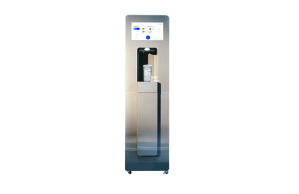
Twist Flavored Water Dispenser
 51+ Users
 Hot
Hot
 Cold
Cold
 Ambient
 Extra Hot
 Sparkling
Risk-free trial
Sparkling
Risk-free trial
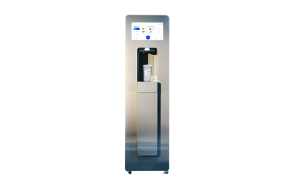
Twist Flavored and Sparkling Water Dispenser
Delivers over 675 customizable drink combinations
1-25 Users
51+ Users
26-50 Users
Ambient
Cold
 Flavored
Hot
Sparkling
Risk-free trial
Flavored
Hot
Sparkling
Risk-free trial
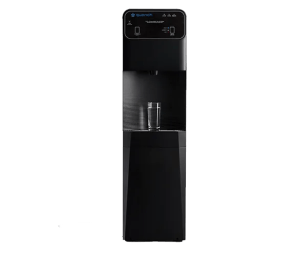
Q12 Touchless Bottleless Water Cooler
Available with electrolyte-enhanced water
51+ Users
Hot
Cold
Ambient
Extra Hot
Sparkling