
Coffee brewers
Cold Brew vs. Iced Coffee: Exploring the Key Differences
Updated: Dec 4, 2025 |
Published: Jul 20, 2023

Authored by
Amanda Russo
Amanda Russo, Founder and Chief Creative Officer of Creative Salt, has nearly two decades of experience in writing marketing communications and educational content for audiences across industries. Working with Culligan over the past two years, she has gained an extensive background in water quality and water treatment. She holds a Bachelor’s degree from the University of Illinois in English and Rhetoric.
Key Takeaways
Cold brew and iced coffee differ in brewing method, flavor, and caffeine strength.
Although both drinks are served cold, the way coffee grounds interact with water during brewing creates noticeable differences in taste, acidity, and caffeine content.
- Brewing process: Iced coffee is brewed hot and then cooled over ice, while cold brew is steeped slowly in cold water for several hours.
- Flavor profile: Cold brew typically has a smoother, less acidic taste, while iced coffee retains the brighter acidity of traditional hot coffee.
- Caffeine levels: Cold brew often contains more caffeine because it uses a higher coffee-to-water ratio and longer extraction time.
- Preparation time: Iced coffee can be made quickly, while cold brew requires a longer steeping period, often 12–24 hours.
Summary: Cold brew and iced coffee may look similar, but they are brewed differently and offer distinct flavors, strengths, and caffeine levels. Understanding how each drink is prepared helps coffee lovers choose the option that best suits their taste and daily routine.
Recent years have seen more people choosing chilled coffee options year-round than ever before. As this love affair with cold coffee continues to reach new heights, you might be considering two popular choices that have become household and workplace staples: iced coffee and cold brew. While both alternatives offer a chilly take on a traditional cup of Joe, they’re not the same.
We’re delving into the key differences between these beverages, including their unique brewing methods, flavors and characteristics so you can determine which option is right for your employees and customers.
What is iced coffee?
Iced coffee is made by chilling hot-brewed coffee with ice. This generally leaves a flavor profile that reflects the regular brewed coffee, maintaining its acidity and unique flavor despite being chilled.
What is cold brew coffee?
Cold brew coffee requires a lengthy steeping process where coarsely ground coffee is soaked in cold water for a long period, typically from 10 to 24 hours. This brewing method creates a smoother, less acidic drink, often with chocolatey or nutty undertones because of the slow extraction process.
What’s the difference between cold brew and iced coffee?
While both of these popular caffeinated beverages do a great job of delivering a cool and refreshing coffee experience at work, let’s take a closer look at the distinct differences:

How are they brewed?
Making a traditional iced coffee is the same as making hot coffee — with just one extra step. Simply go through your usual brewing process, let it cool and pour it over ice. Then you can add any sugar, milk or cream to get the sweetness you prefer.
Cold brew concentrate, on the other hand, takes longer to create. Doing so involves steeping medium-to-coarse ground coffee in room-temperature water for an extended period (i.e., longer than 12 hours). After this time, the mixture is filtered to leave a clean, concentrated cup. This is unique because, unlike regular coffee, a cold brew will never be exposed to heat.
Which coffee type has more caffeine?
In addition to its specific brewing method, cold brew coffee is also known for having a higher caffeine content due to its longer steeping process. But how much of a difference is there?
A 16 oz. regular iced coffee contains about 165 mg of caffeine, while its same-sized cold brew counterpart contains over 200 mg on average. With this in mind, it comes as no surprise that scientific reports reveal that at most coffee shops, a cold brew will have roughly 50 mg more caffeine than the average iced coffee option.
Simply put, the coffee lover who opts for a cold brew is likely to get a stronger jolt of energy with less liquid. But keep in mind that this can also depend on other factors, including how much you dilute each cold coffee drink with milk, water or cream.
Does cold brew taste different from iced coffee?
The last main difference between these two coffee options is the flavor you can expect. Despite high caffeine levels, cold brew is beloved for its smooth taste with notes of chocolate. And, because it’s brewed as a coffee concentrate, you can add milk, ice or cream to your heart’s desire and it won’t be watered down.
Iced coffee, while less acidic than hot coffee, has a higher acidity than cold brews, giving it a brighter flavor profile. This type of coffee is also complemented with milk, cream and ice, but dilutes much more quickly.
Comparing cold brew vs. iced coffee
Want a quick way to see the difference between cold brew and iced coffee? Check out this head-to-head comparison:
| Feature | Cold Brew | Iced Coffee |
| Process | Steeping – Cold brew coffee is made by steeping coffee beans for 12-24 hours. | Chilling – Iced coffee is made by pouring hot-brewed coffee over ice. |
| Taste | Smooth, chocolate notes – Because it’s brewed for longer, cold brew has a smooth taste that won’t get watered down easily. | Bright flavor – As simply a cold form of a hot coffee, iced coffee is more acidic and maintains a brighter flavor. |
| Caffeine | More caffeine – Cold brew is steeped for a long period of time, so the caffeine content tends to be higher than traditional coffee. | Less caffeine – Iced coffee typically has less caffeine than its cold brew counterpart. |
| Antioxidants | More antioxidants – Just like caffeine levels, antioxidants are higher in cold brew due to its longer steeping process. | Fewer antioxidants – While still present, antioxidant levels are lower in iced coffee than in cold brew. |
| Acidity | Lower acidity – Cold brew’s lower acidity makes it a great option for those with sensitive stomachs. | Higher acidity – Iced coffee contains a higher level of acidity, similar to hot coffee. |
| Cost | Typically more expensive – The cold brew process requires more time and resources than iced coffee, so it tends to cost more. | Typically less expensive – Iced coffee is easier to make which often makes it the more cost-effective option. |
Exploring the health benefits of both beverage options

Consuming a moderate amount of chilled coffee can lead to benefits like:
- Boosted metabolism: Both hot and cold coffee are associated with a modest increase in metabolic rate due to the caffeine content. Because this supports burning a few extra calories during the workday, the beverage can potentially aid in weight management. But it’s important to remember that any metabolic effects may vary from person to person.
- Improved cognitive function: The caffeine levels present in cold brew and iced coffee can enhance brain function and improve alertness and focus. Moderate java consumption has subsequently been linked to increased productivity, better concentration and a reduced risk of cognitive decline — which is often a linchpin to maintaining performance levels during the workday.
- Increased antioxidants: A cup of joe is rich in antioxidants, which are necessary to fight pathogens in the body and reduce the risk of chronic diseases. Chlorogenic acid and caffeine, the most common antioxidants found in coffee, are associated with potential benefits, including a lower risk of heart disease and neurodegenerative disorders.
- Increased fiber intake: With the American Dietetic Association reporting that men, on average, need about 38 grams of fiber a day and women require around 25 grams, coffee drinkers can rest assured that even a small cup can contain as much as 1.5 grams of fiber. This is not only beneficial for digestive health, but it can also help regulate blood sugar levels.
- Reduced risk of certain diseases: Research suggests that moderate coffee consumption may be tied to a lower risk of certain diseases. This includes a decreased risk of developing conditions such as type 2 diabetes, liver diseases (e.g., cirrhosis and liver cancer), and Parkinson’s disease.
- Mood enhancement: Because the caffeine in cold brew and iced coffee can stimulate the release of mood-boosting neurotransmitters like dopamine and serotonin, this popular beverage can also contribute to an improved frame of mind and a lower risk of depression. As a result, it’s easier to maintain a positive attitude and promote feelings of satisfaction at work.
What is cold brew known for?
In addition to the several health benefits linked to drinking cold coffee, cold brew has its own advantages to note. For example, hot coffee may contain more total antioxidants than cold alternatives, but cold brew tends to be higher in antioxidants than iced coffee because of the slower brewing process. What’s more, cold brew coffee is also lower in acidity than iced options, which is good news for the coffee lover with a sensitive stomach.
Finding the right coffee offerings for your workplaces
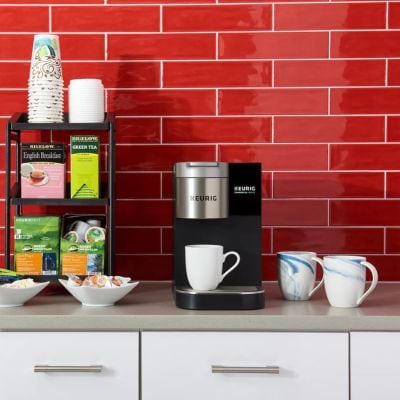
When it comes to choosing between iced coffee and cold brew, there isn’t a definitive “better” option. It ultimately boils down to your team’s individual preferences and any specific limitations your workplace might have. Understanding what makes these beverages unique and recognizing what you’re seeking in terms of flavor and caffeine levels can help inform this decision on any given day.
And, for workplaces in pursuit of a more sustainable and delicious coffee solution, look no further than Culligan Quench. We have a wide range of coffee machines that leverage advanced water filtration technology, so your valuable team members can enjoy a clean, great-tasting caffeine boost during their well-deserved breaks.
While our machines exclusively offer hot-brewed coffee, we know that some employees prefer a chilled coffee alternative. That’s why we also offer premium ice machines that pair perfectly with our hot coffee brewers, so employees can easily make their favorite iced beverage during the workday. And, through our customer portal, your business can effortlessly order new coffee flavors, break room supplies or Culligan Quench coffee machine accessories to ensure you have everything you need to give your teams a satisfying coffee experience.
Ready for clean and delicious iced coffee in your workplace? Explore our coffee machines and ice machines, or get a free estimate to get started.
Authored by
Amanda Russo
Amanda Russo, Founder and Chief Creative Officer of Creative Salt, has nearly two decades of experience in writing marketing communications and educational content for audiences across industries. Working with Culligan over the past two years, she has gained an extensive background in water quality and water treatment. She holds a Bachelor’s degree from the University of Illinois in English and Rhetoric.

Reviewed by
Cari Dienstman
Cari Dienstman is the Senior Website & Content Manager at Culligan Quench, with over six years of experience creating content focused on point-of-use water filtration. She holds a master’s degree in Digital Marketing from Brandeis University and a bachelor’s degree in Journalism from Temple University.
Answering cold brew and iced coffee FAQs
Why is cold brew more expensive than iced coffee?
If you’re making a trip to the coffee shop on the way to the office, keep in mind that picking up a cold brew will be more expensive than an iced coffee. The reason behind this is simple — cold brew coffee costs more to make, requiring additional coffee, time and resources that aren’t required for regular iced options.
Does cold brew coffee require special equipment?
If you’re interested in making cold brew coffee at home, you’ll be happy to hear that the process is simple and doesn’t require any special equipment. Here are simple instructions you can follow to prepare this drink:
- Measure out the water and coffee grounds at a ratio of eight to one (e.g., for about two cups of water, you would need 4.5 tablespoons of coffee).
- Mix the cold water and coffee grounds in a container and stir.
- Cover the container and let it sit at room temperature for 18 to 20 hours.
- Place a paper coffee filter over an empty jar or pitcher then slowly pour in the coffee to strain out the grounds.
- Serve chilled or on ice and feel free to add milk or sugar at your preference.
- You can store leftover cold brew in the fridge, where it will last for up to 14 days.
Does cold brew or iced coffee last longer?
Cold-brewed coffee typically stays good for longer than an iced alternative. You can store a cold brew in the fridge for up to two weeks, while it’s best to consume an iced beverage within a few days of the brewing process. And cold brew coffee can even be frozen for up to six months — so you can savor your java even longer.
Which cold coffee beverage is more popular?
Cold brew is quickly becoming a favorite among coffee drinkers. In fact, Fortune Business Insights found that the cold brew coffee market share is expected to increase from $3.16 billion in 2024 to $16.22 billion by 2032. In fact, reports suggest that cold brew is outpacing iced coffee in both growth and total sales.
Is cold brew stronger than iced coffee?
Yes. Because cold brew is steeped for longer (12 – 24 hours), it has a higher caffeine content and makes for a stronger cup of chilled java.
Which option has more caffeine?
Cold brew contains more caffeine than iced coffee because it’s steeped for a long period of time. While a 16 oz. regular iced coffee contains about 165 mg of caffeine, the same-sized cold brew contains over 200 mg on average.
Which option is less acidic?
Cold brew is less acidic than iced coffee, which makes it ideal for employees and customers with sensitive stomachs.
Which type of beans are best for cold brew?
Many people prefer medium to dark roast brews for their bold flavors that remain even after the long steeping process.